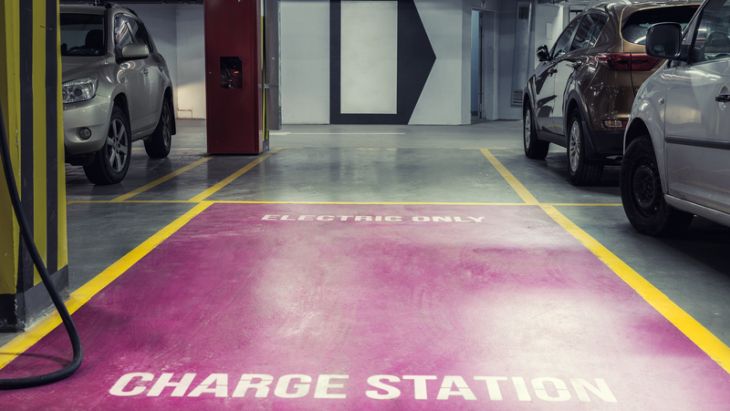
PPC Blue Romania, part of the PPC group in Romania, and the PENNY store network are marking five years since signing the partnership and are expanding their collaboration to develop the electric vehicle charging infrastructure. By the end of 2026, the charging station network in PENNY stores will exceed 100 locations and 250 charging points for electric vehicles, in over 80 localities across the country. Currently, PPC blue already operates 75 locations and over 200 charging points, in 65 localities, in the partner’s stores. Currently, the infrastructure installed in PENNY locations amounts to a total power of 6.2 MW, distributed in 95 charging stations, of which 50 are direct current (DC) stations. By the end of the year, PPC blue estimates a total power of approximately 8 MW for the network of charging stations installed in PENNY parking lots. The share of high-speed stations in PENNY locations will continue to grow, as the company adapts its technical solutions to the needs of PENNY customers, offering shorter charging times where demand is higher.
The number of PENNY locations equipped with charging stations has increased year by year, at the same pace as the electric vehicle fleet in Romania has developed. The collaboration between PPC blue and PENNY continues to expand, with new charging points installed, in parallel with the opening and modernization of the partner’s stores. Among the cities where new charging stations are to be installed are Hârșova, Medgidia, Călărași and Constanța.
“Five years of partnership with PENNY show that electric mobility has entered the daily routine of drivers, and charging is done where people already do their shopping. We are happy that we can further expand this collaboration and that together we reach more and more customers, with an easy-to-use charging infrastructure available throughout the country”, said Andreea-Dana Popescu, General Manager of PPC Blue Romania.
“At PENNY, we want to make sustainable choices as simple and accessible as possible for our customers. Through the partnership with PPC blue, we transform PENNY stores into support points for local communities and for customers who choose more sustainable means of transport. Expanding the network to over 100 locations by the end of 2026 reflects our commitment to integrate sustainability into the shopping experience and to generate real benefits for customers, communities and the environment”, said Claudia Ivan, Sustainability Manager of PENNY Romania.
Through this project, PPC blue is expanding its network – one of the largest in Romania – and bringing state-of-the-art technology closer to drivers across the country. In Romania, PPC blue currently operates over 1,400 charging points in all counties of the country, an increase of approximately 27% compared to the end of last year, with a total installed power of over 46 MW, thus consolidating its position as one of the largest charging infrastructure operators in Romania.
About Schneider Electric
Schneider Electric creates impact by maximising the value of energy and resources, connecting progress with sustainability. We are a global leader in electrification, automation and digitalization, providing AI-driven IoT solutions for smart industries, infrastructure, data centres and buildings.
With 150,000 employees in over 100 countries we promote diversity and innovation. Schneider Electric România, with 27 years in business and more than 300 employees, runs operations in Armenia and Moldova and provides support in 17 languages for 26 countries through the Bucharest Hub.