

A faulty switchgear connection kept a battery storage facility offline for 63 days. At another site, a failure at a neighbouring substation stopped operations for 81 days, even though none of the project’s own equipment was damaged. Both cases highlight a financial exposure that can be more consequential than the initial technical failure: the revenue lost while an asset cannot operate.
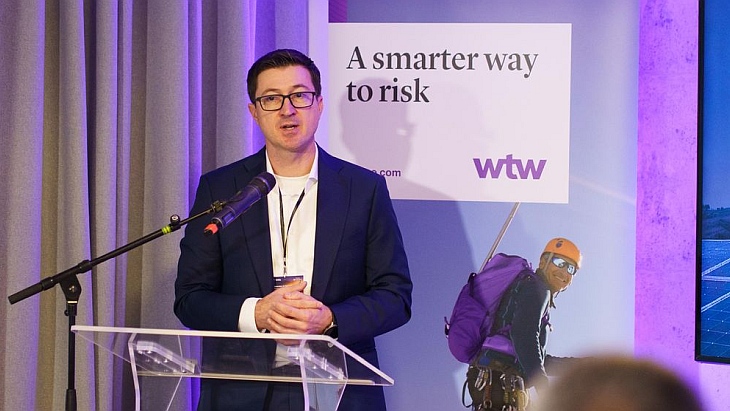
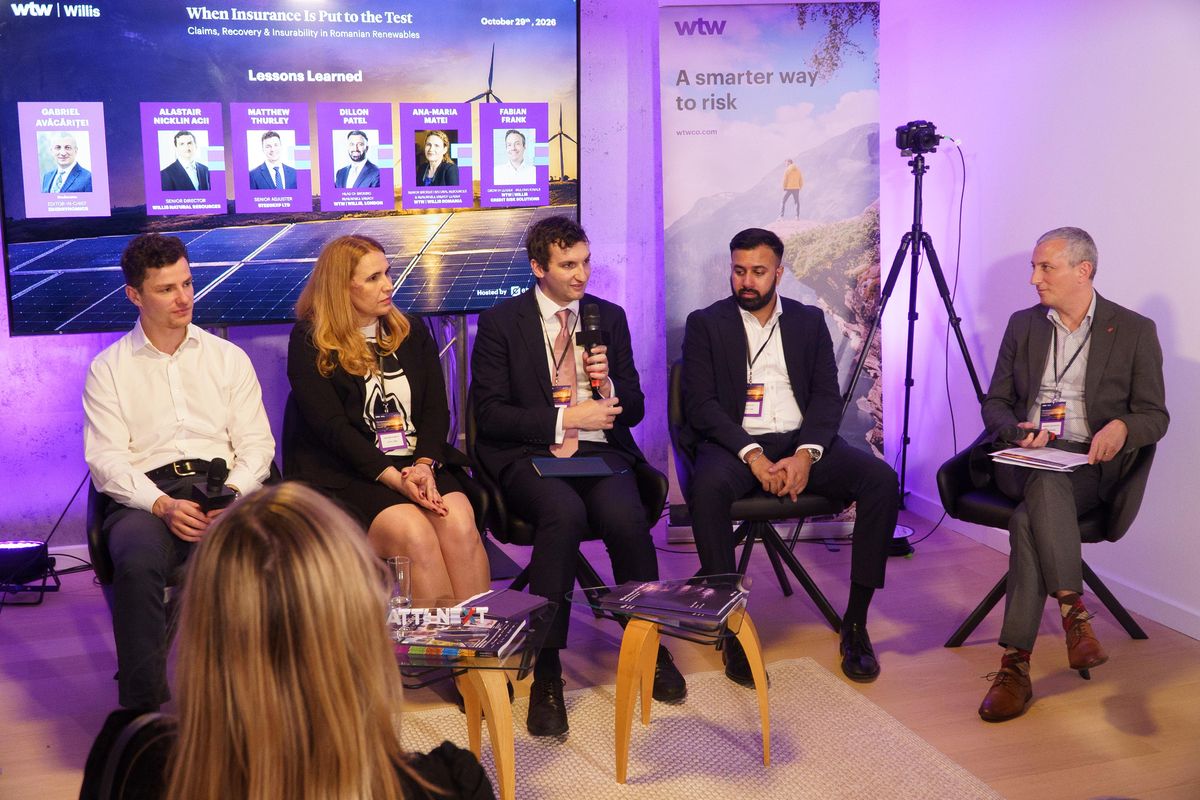
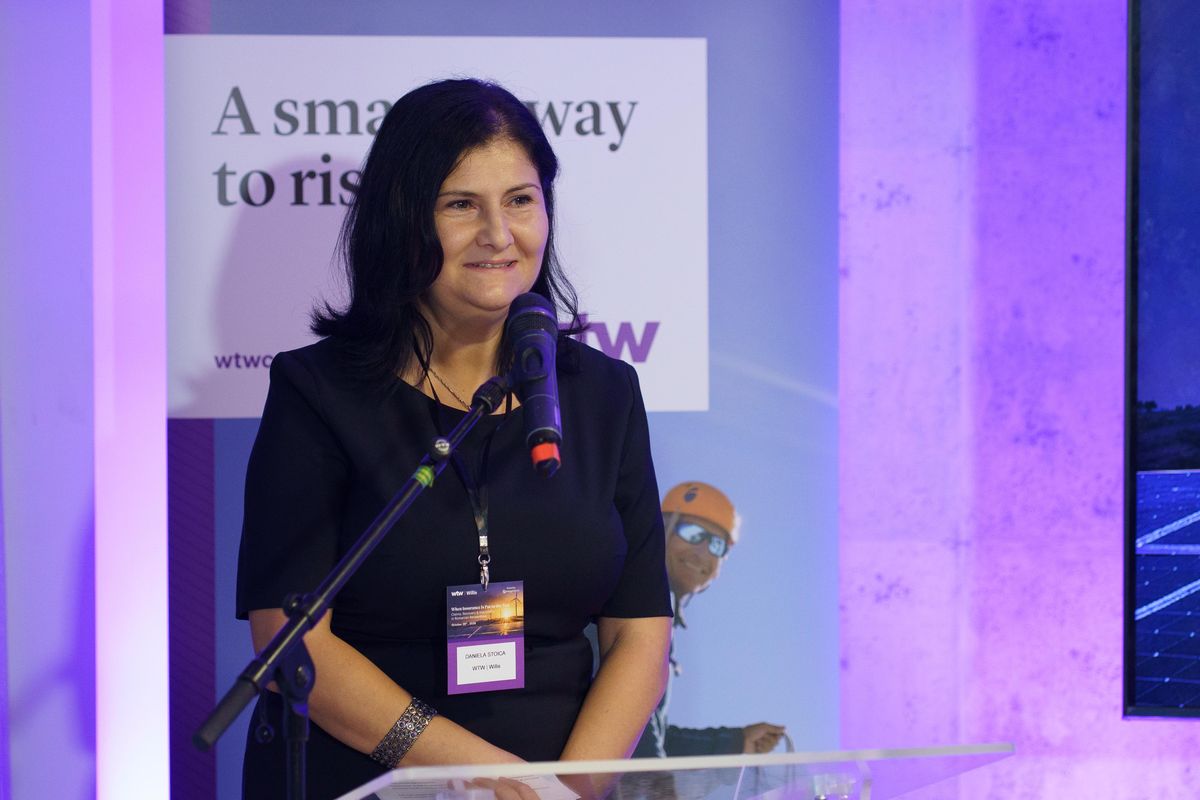
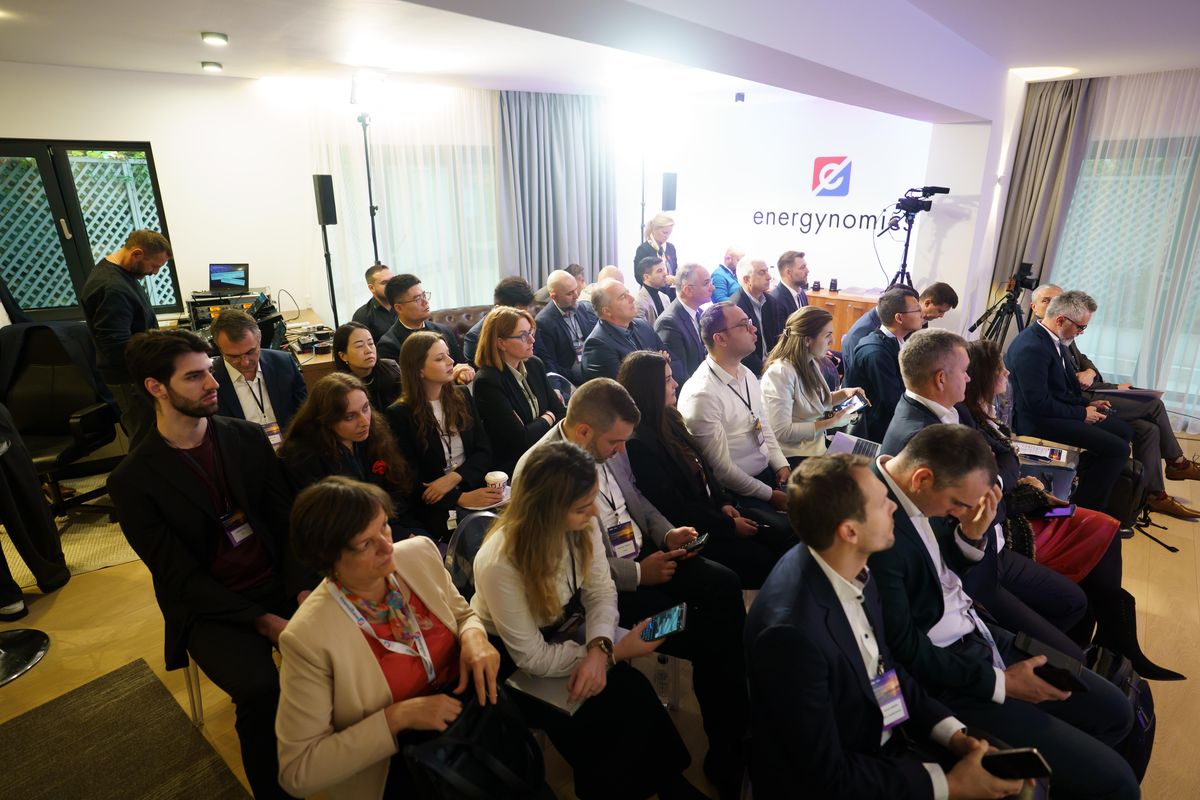
The two incidents, alongside a battery fire that shut down an entire hybrid plant, were examined at “When Insurance Is Put to the Test”, a WTW | Willis global power and renewable energy expert seminar hosted recently by Energynomics in Bucharest. Daniela Stoica, CEO of WTW | Willis Romania, said the purpose was to share “solutions that have proved successful elsewhere” while learning from the Romanian market.
A small failure can stop an entire plant
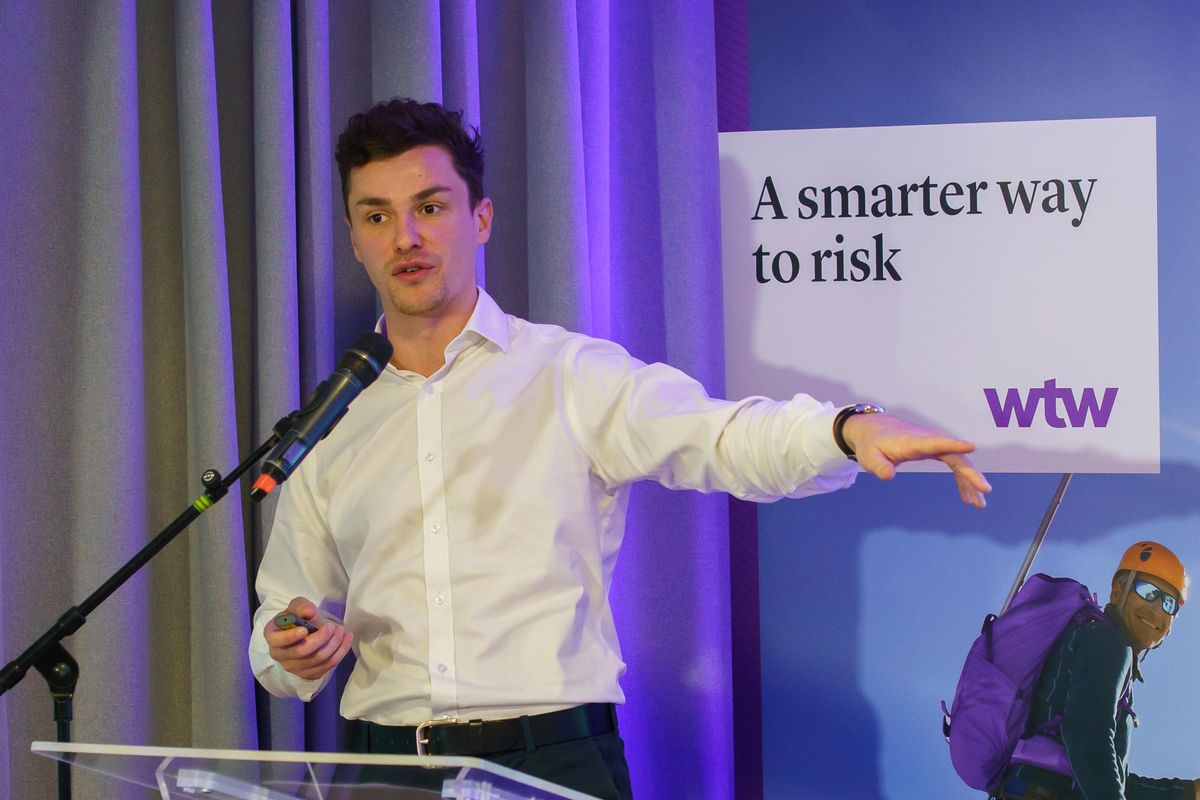
Matthew Thurley, Senior Loss Adjuster at SteegeXP, described three claims in which a single point of failure disrupted an entire facility. (Download the presentation!)

In the first case, at a site combining approximately 20 MW of solar generation with 50 MWh of battery storage, an overvoltage event triggered thermal runaway. Two battery containers were destroyed, but the remaining solar and storage equipment largely escaped physical damage. The plant nevertheless stayed offline for an extended period. The difficult part was proving that unaffected equipment could restart safely.
At a second, larger storage facility, an incorrectly installed connector in the switchgear caused an electrical fault. Batteries and power-conversion equipment were not damaged, yet the shared electrical configuration left the whole site without an operating route to market. It reopened after 63 days only because replacement panels could be taken from another project. New equipment had a quoted lead time of 36 weeks, potentially extending the interruption towards 300 days.
The third case involved a transformer termination failure at a neighbouring substation. The transformer served the storage project exclusively, leaving the entire facility offline for 81 days. The owner had no damaged equipment on site, however, limited control over the repair timetable and difficulty obtaining evidence about the cause, impacted it a lot. Whether such losses are recoverable depends on the policy wording and the cause of the external failure.
For the operator, even an inexpensive repair can have a large financial impact. As Thurley put it, “as the operator, you’re the one on the hook for the BI losses”. The practical questions concern system redundancy, spare-part availability and evidence for safe restart.
An insured project is not necessarily a bankable project
Romania’s growing renewable and storage pipeline makes insurance a financing issue. Lenders and buyers scrutinise who bears the cost of defects, delays and lost production. Varinia Radu, Partner at CMS and Head of Energy and Projects Romania, described insurance as “one of the few instruments that answers with a check rather than a lawsuit”.
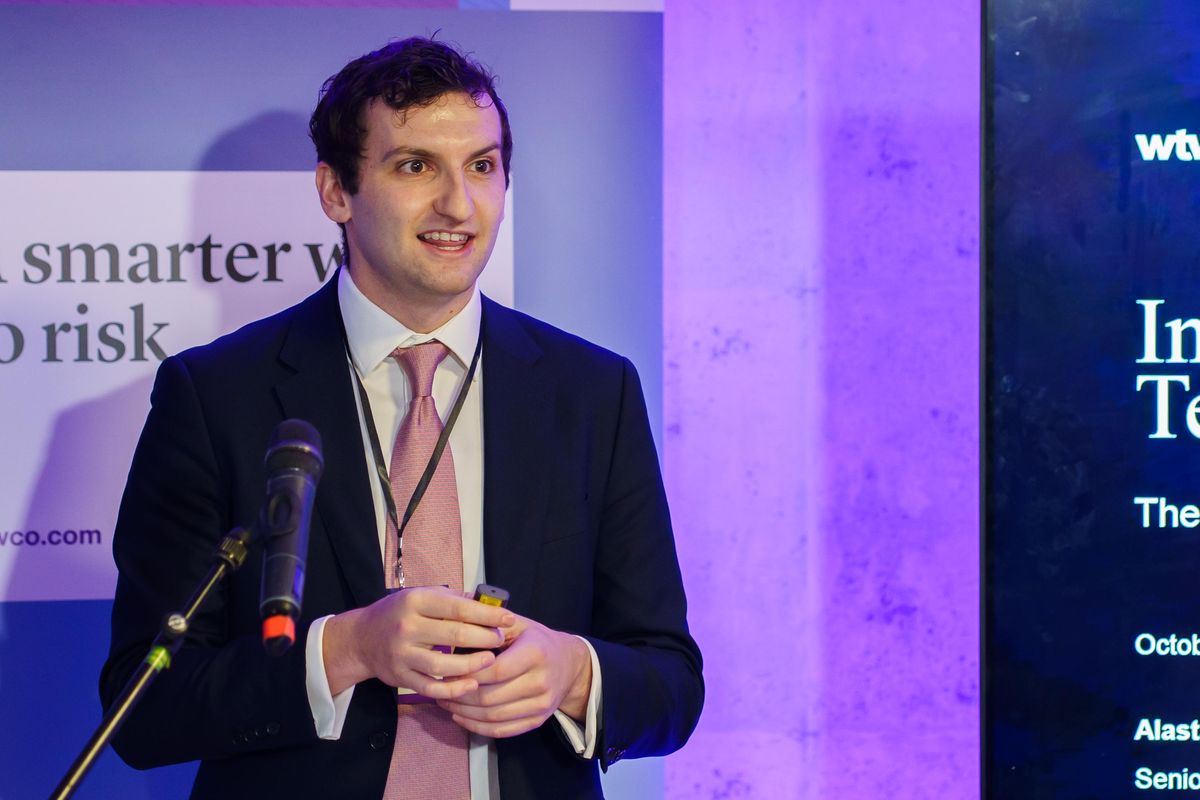
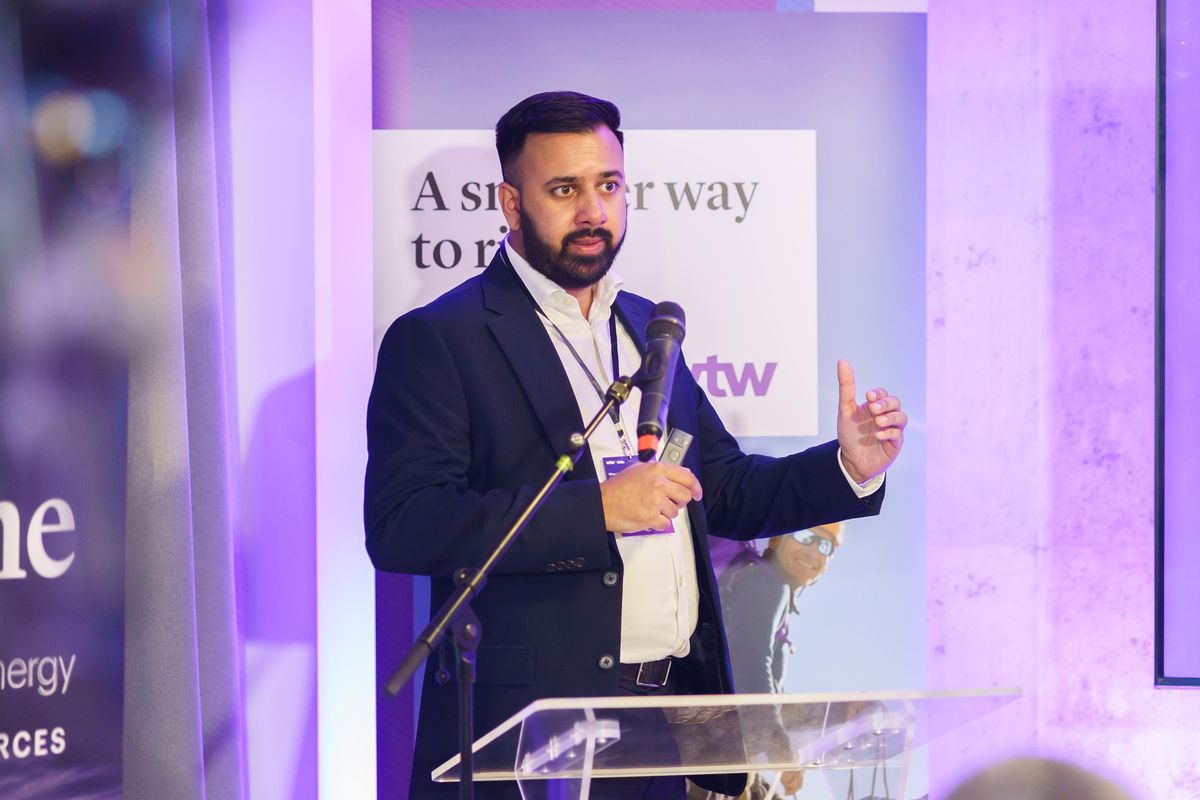
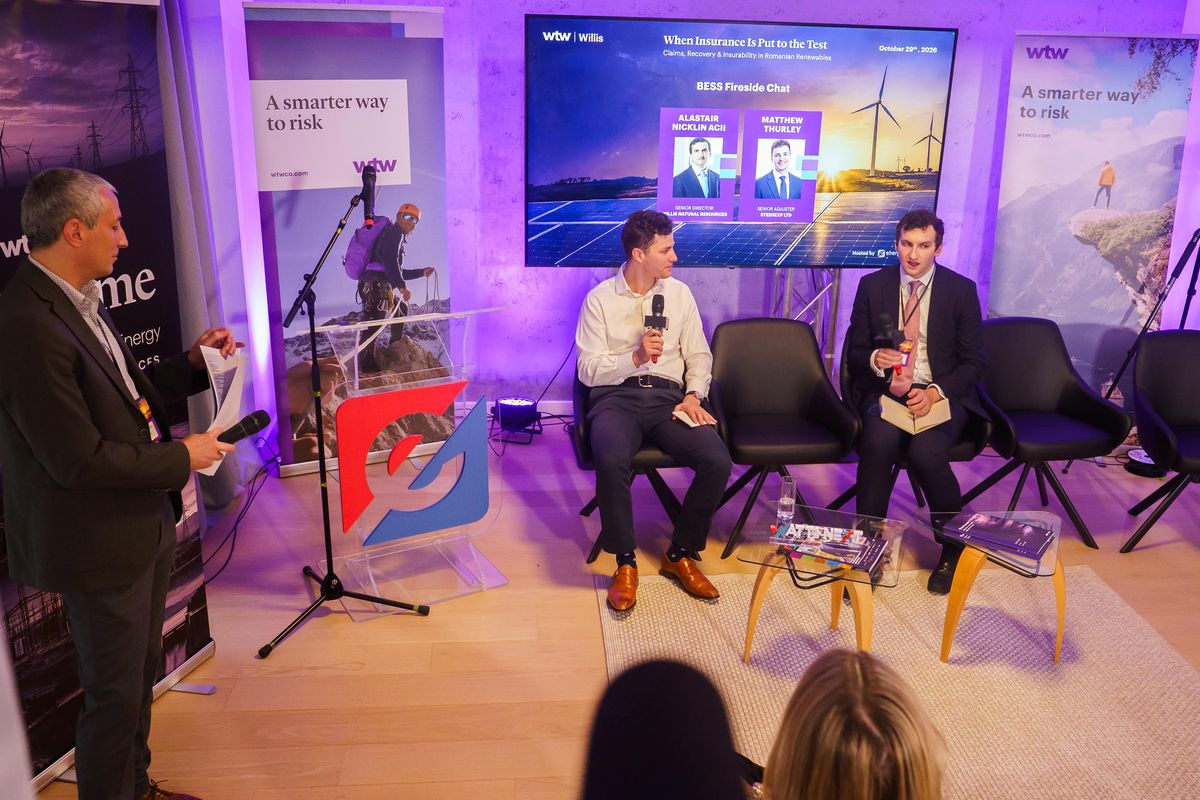
But obtaining a policy does not mean obtaining the protection a lender requires. Alastair Nicklin, Senior Director at Willis Natural Resources, identified a bankability gap for first-of-a-kind projects. Innovation may mean a genuinely new technology, a familiar technology deployed differently or proven equipment used at unprecedented scale. An insurer may respond with exclusions for defects or machinery breakdown, higher deductibles or restricted delay-in-start-up cover; a lender may require much broader protection and an indemnity period sufficient to protect debt repayments. (Download the presentation!)
Nicklin’s distinction was concise: “just because it’s insurable doesn’t mean it’s bankable”. Sponsors may need to close that gap through stronger manufacturer warranties, contractual compensation for delays, additional equity or a different allocation of risk among parties. The test is whether insurance and contracts together make the project financeable.
Insurance capacity is returning, but terms still depend on engineering
Dillon Patel, Head of Broking for Renewable Energy at WTW | Willis in London, reported reductions of 20-30% in insurance rates for well-performing operational portfolios, in some cases reaching 40%, alongside falls of more than 20% for certain new construction risks. “It’s a very opportune moment for you as a developer,” he said. These are observed market trends, not guaranteed savings for Romanian projects. (Download the presentation!)
More insurers are competing for renewable business, including in territories where they want to diversify their exposure. Technical scrutiny, however, has not disappeared. Hail exposure, construction standards, equipment reliability, fire separation and loss-prevention measures continue to influence the terms offered.
The commercial opportunity is therefore not simply to buy cheaper cover. It is to use insurer competition to negotiate appropriate limits, exclusions and protection against interruption while documenting the engineering choices that make a project resilient beyond the current pricing cycle.
Insurance decisions belong at the design and contracting stage
George Dragne, Energy Industry Leader at WTW | Willis Romania, cautioned that “insurance is not just a line in your budget”. He explained that placing insurance can take four to six months. (Download the presentation!) Other speakers stressed that brokers and insurance advisers should be involved before financing and EPC requirements are finalised.
Five questions before signing
- What event could stop the whole site?
- Who loses revenue during the shutdown?
- Do the policy and contracts address that exposure consistently?
- Can the asset be repaired and restarted within the insured period?
- And which material risks remain outside the policy altogether?
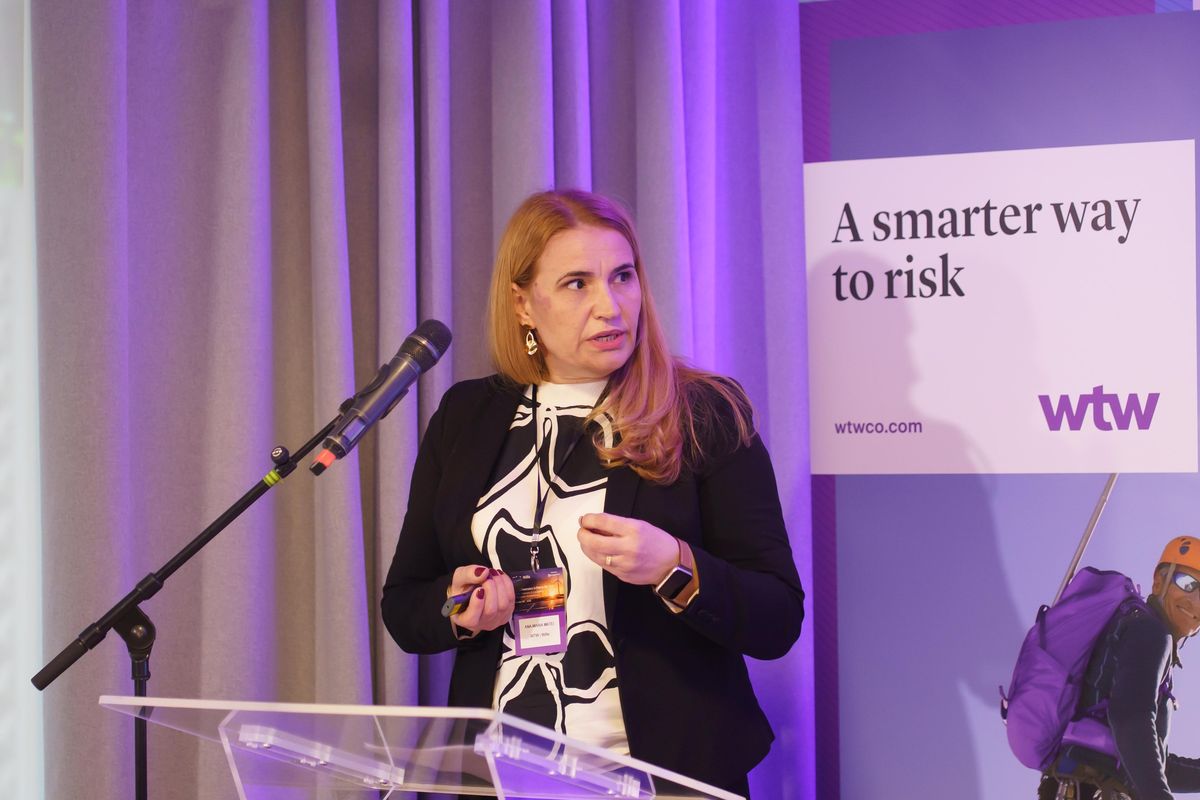
A concrete Romanian example shows why. Ana-Maria Matei, Senior Broker and Natural Resources and Renewable Energy Leader at WTW | Willis Romania, described a contract that required an insurance deductible of just 10,000 euros for thermal runaway at a large battery project. The level typically available in the market was closer to 100,000 euros. After discussions with the broker, the parties accepted a higher deductible, with the EPC contractor bearing its cost. Earlier market testing could have prevented the dispute.
“The stronger the preparation, the broader the insurer engagement,” Matei said. (Download the presentation!) Insurers need technical specifications, independent studies, information on safety systems, testing and commissioning procedures, and clear EPC and O&M responsibilities. In hybrid projects they must assess not only the solar plant or battery in isolation, but also their electrical and commercial interdependencies.
One question raised in the seminar concerned a battery incident during the transfer of responsibility from the EPC contractor to the owner. The discussion pointed towards coordinated construction and operational cover, with the owner typically holding the main policy and the EPC included as an additional insured. What matters is preventing a gap at precisely the stage when equipment is being tested and handed over. After a loss, early notification also helps insurers and adjusters investigate and process claims.
Some risks cannot simply be transferred to an insurer
Insurance has limits that investors must account for separately. A project cannot normally insure away low electricity prices, weak merchant revenues, a missing zoning plan or an ordinary delay in grid connection. Cover for business interruption generally depends on an insured event, rather than on revenue falling short of the financial model. Extensions may protect against certain physical failures at third-party substations or grid assets, but they are not blanket protection against grid unavailability.
The distinction matters especially in Romania, where developers are combining generation and storage while facing complex grid and contracting dependencies. Legal remedies, performance guarantees, contingency reserves and credible operating assumptions still have to do work that insurance cannot do.
The lesson from the Bucharest seminar was not that every failure can be prevented or insured. It was that financing, engineering, contracts and insurance must be designed together, before a minor technical fault turns into months without revenue.
