

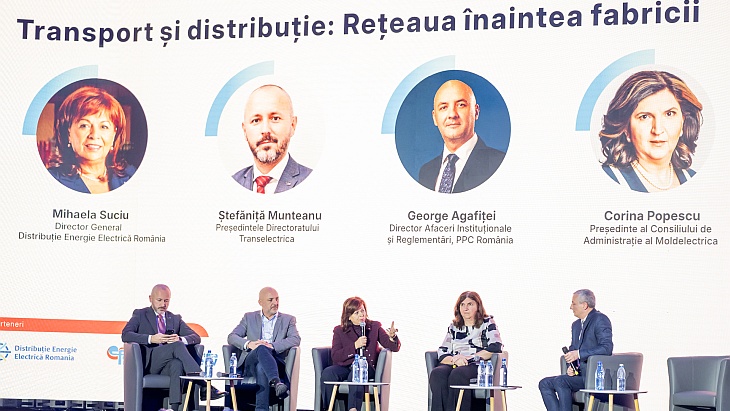
After decades of underinvestment, the large-scale funding now available does not automatically translate into kilometres of new grid infrastructure or commissioned substations. Long-term predictability in investment planning is essential, along with skilled professionals capable of operating an increasingly complex power system. Investment programmes by transmission and distribution system operators, regional interconnections and energy costs were the main topics of the panel “The grid before the factory”, held during the conference “Energy for the future: Energy connectivity, regional cooperation and tomorrow’s skills”.
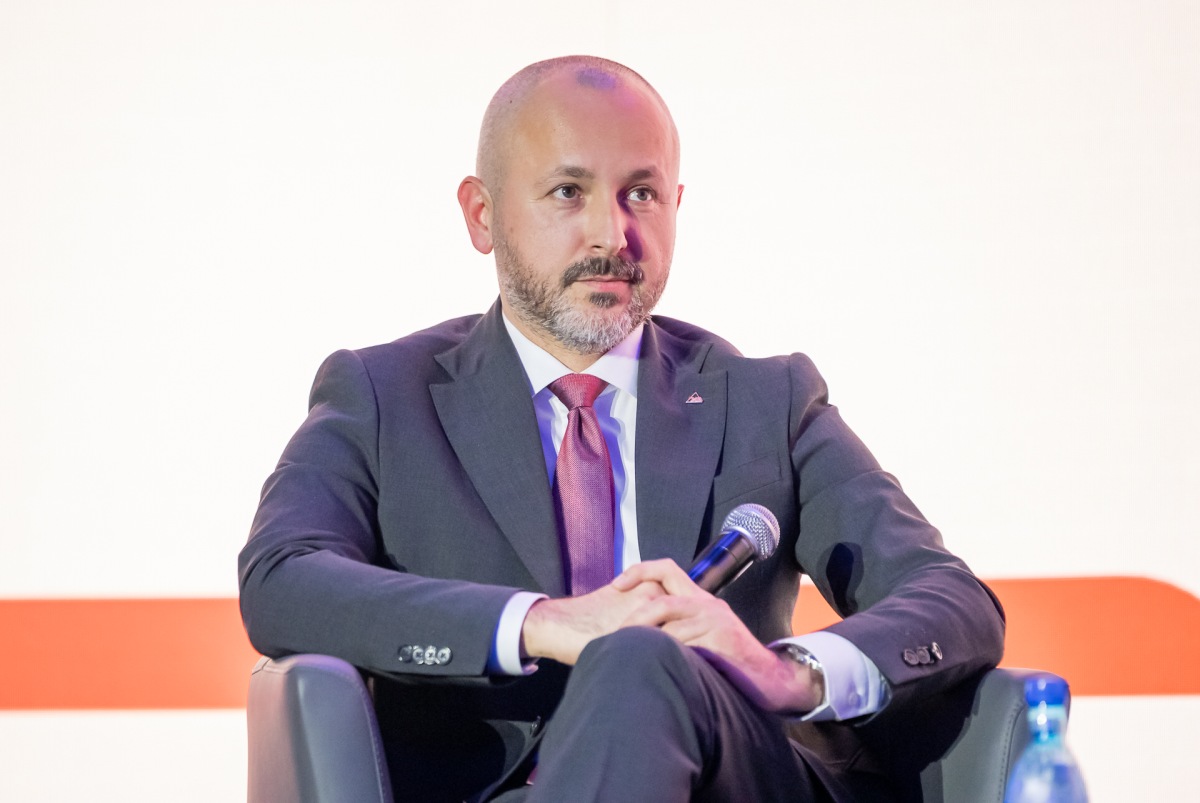
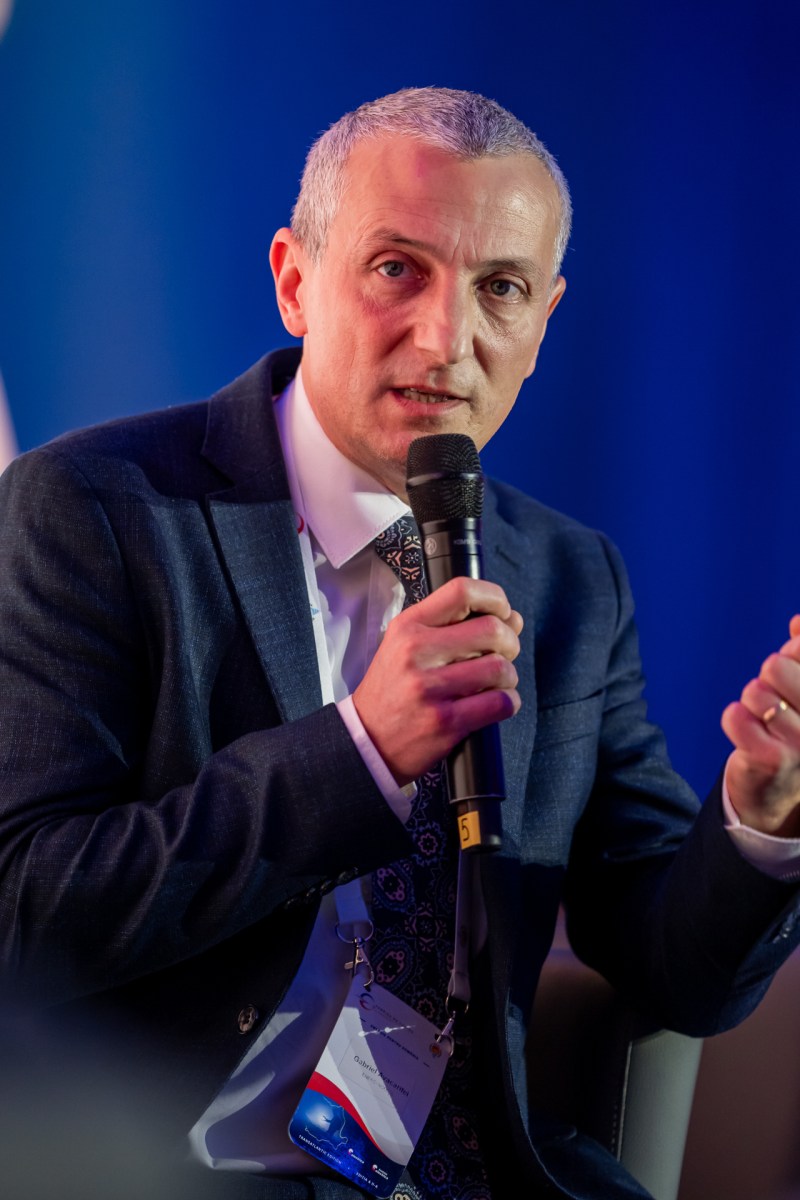
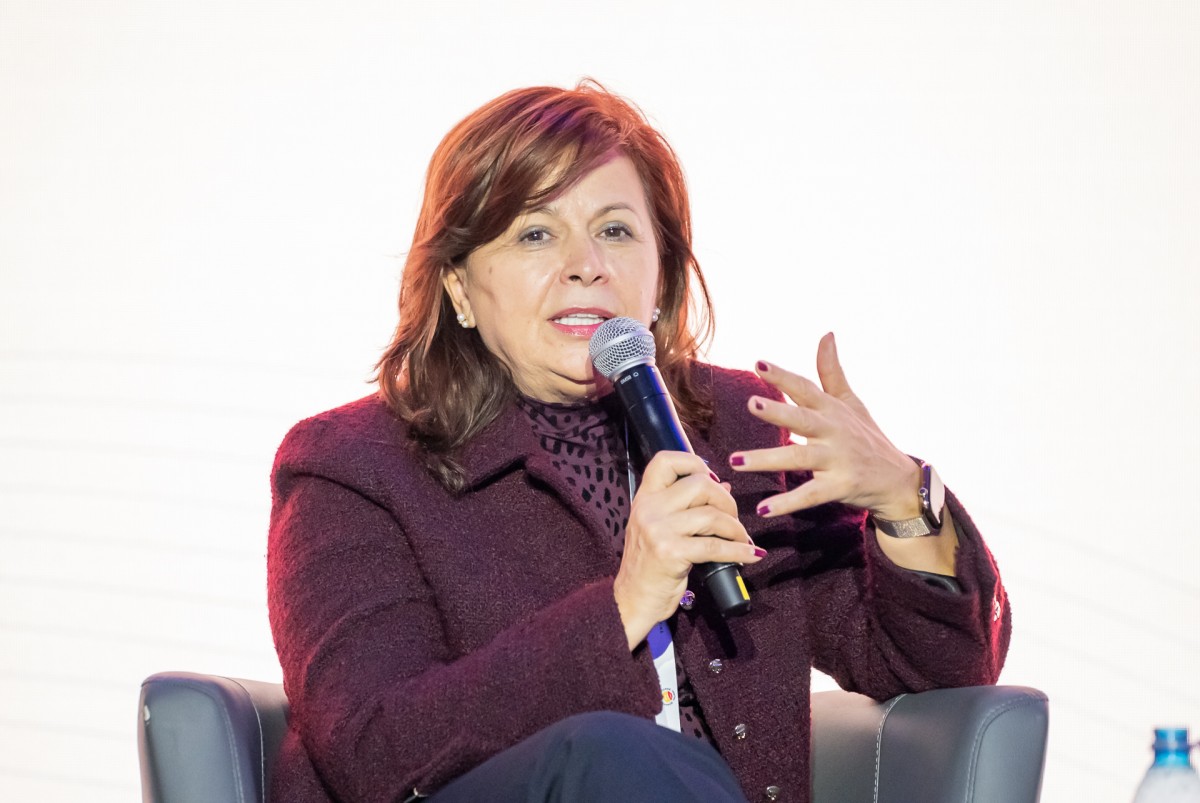
Gabriel Avăcăriței, Editor-in-Chief of Energynomics, moderated the discussion, which brought together Ștefăniță Munteanu, CEO of Transelectrica, Corina Popescu, Chair of the Board of Directors of Moldelectrica, Mihaela Suciu, CEO of DEER, and George Agafiței, Director of Regulation and International Affairs at PPC Romania.
Construction capacity is not keeping pace with committed investment
Transmission and distribution system operators are implementing investment programmes aimed at modernising existing infrastructure, increasing grid connection capacity and integrating new generation sources. The pace of project delivery now depends less on the availability of funding than on the ability of construction and engineering companies to carry out the work.
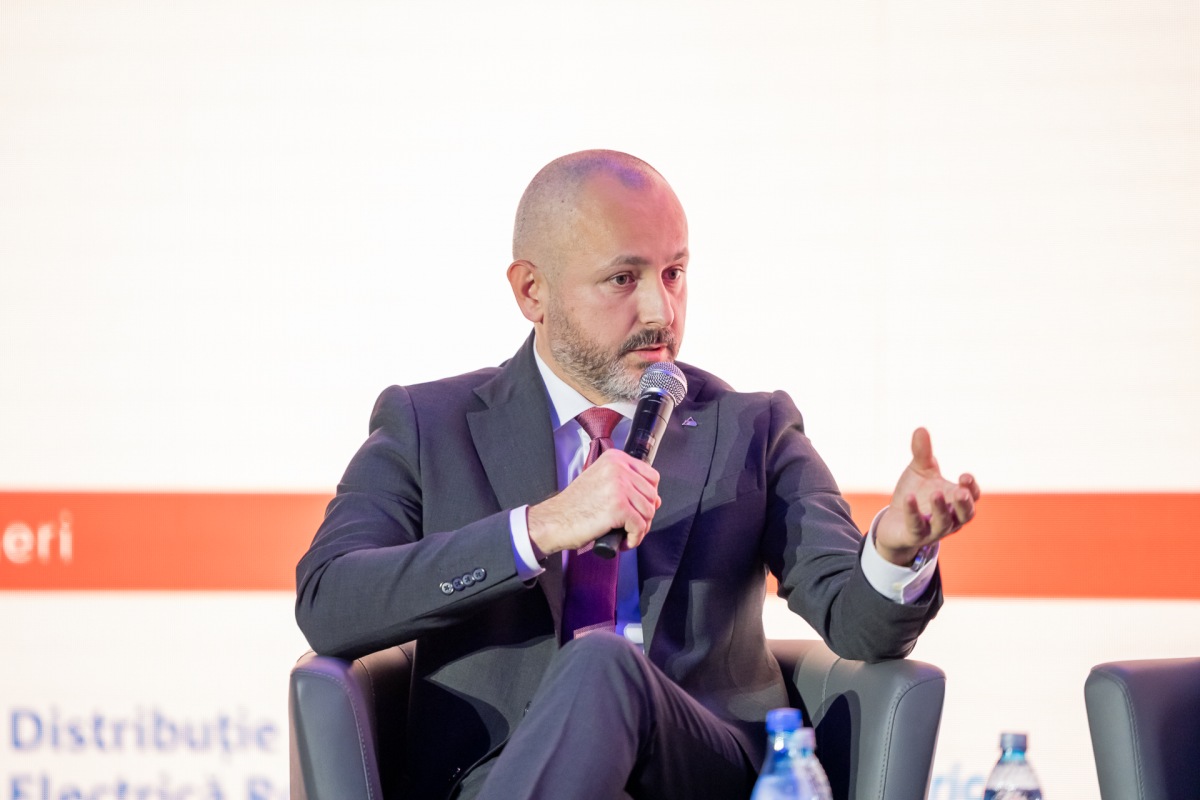
“The investment plans are concrete, and the greatest satisfaction […] is seeing them completed,” said Ștefăniță Munteanu, CEO of Transelectrica. He outlined several transmission grid development projects at various stages, from site preparation to the construction of new power lines and the modernisation of substations, including the introduction of digital technologies.
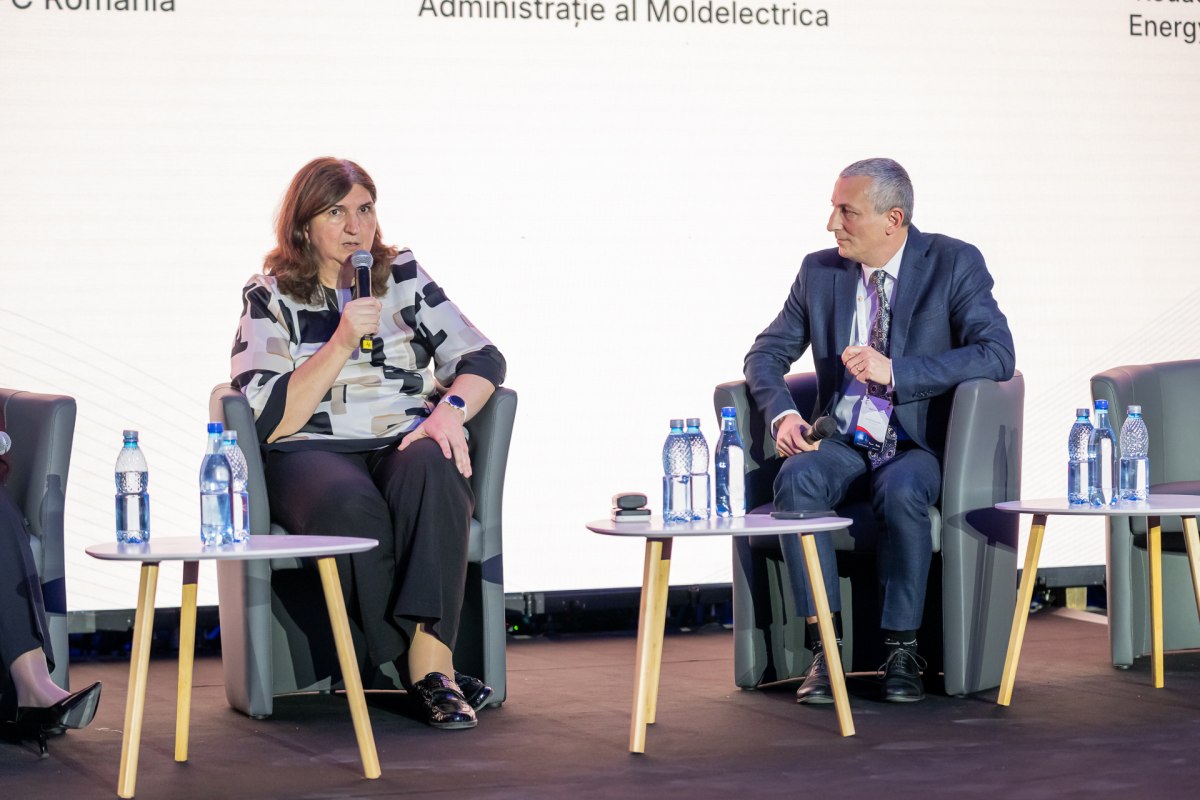
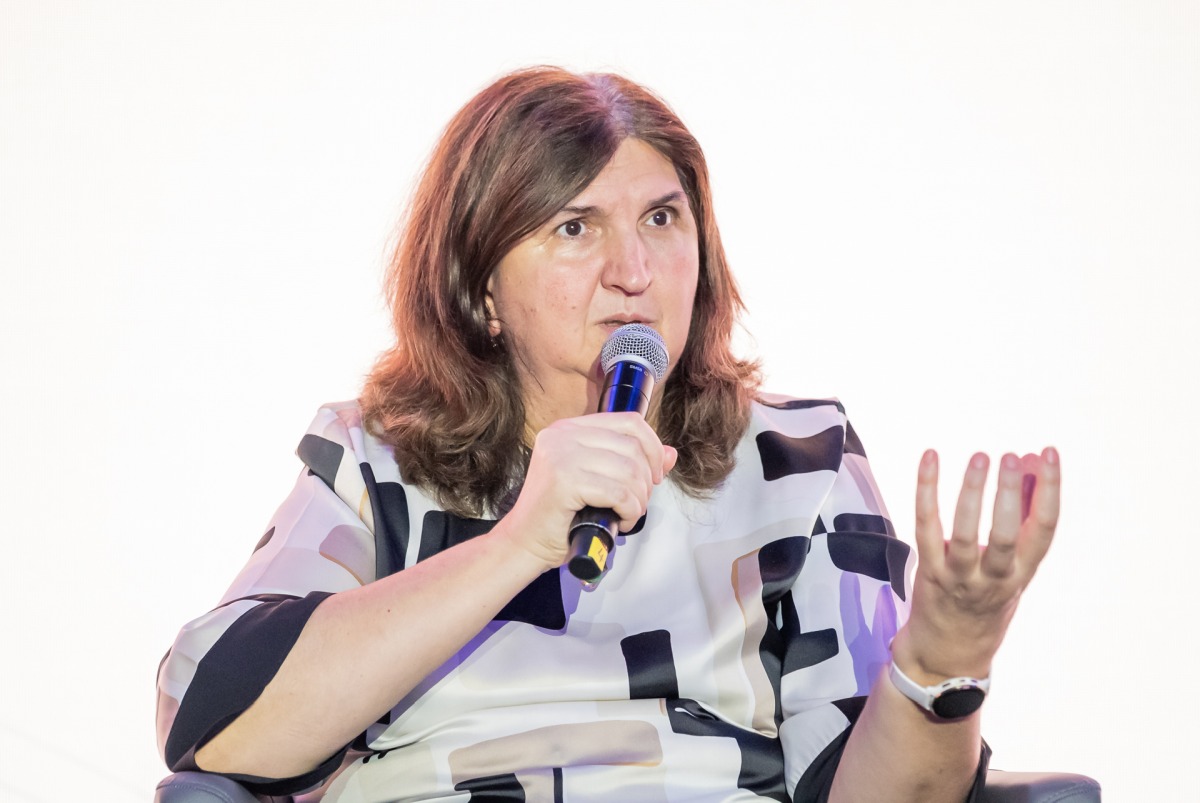
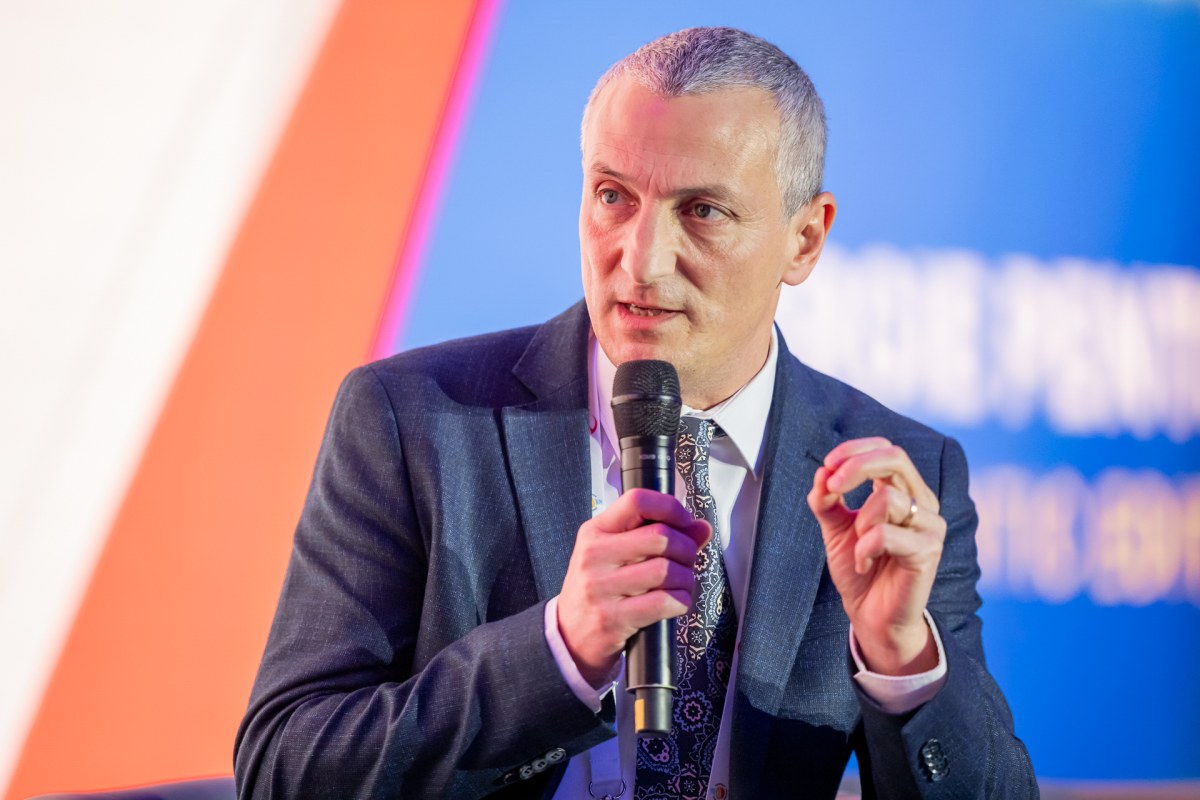
In distribution, the scale of investment programmes is illustrated by Distribuție Energie Electrică (DEER). According to Mihaela Suciu, the operator invested almost 4 billion lei between 2022 and 2025 and has planned investments of 5.7 billion lei for 2025-2029, including 3.7 billion lei from its own resources. The projects cover grid modernisation, substation development, increased available capacity and the digitalisation of operations.
However, the expansion of investment programmes is exposing a shortage of capacity in the construction and engineering services market. “There is a shortage of contractors in the market; the capacity to execute the work simply isn’t there,” Mihaela Suciu acknowledged. Some tenders attract no bidders, while in other cases participating companies lack the resources needed to deliver the contracts under the required conditions.
The problem goes beyond the availability of skilled workers. Projects require companies with experience, equipment, financial resources and management capabilities, at a time when several operators are simultaneously undertaking substantial investment programmes.
Interconnections shift the focus from national energy security to regional resilience
Grid development must also be considered beyond Romania’s borders. Interconnections expand opportunities for cross-border electricity trading, enable more efficient management of electricity flows and reduce vulnerabilities in national power systems.
One example is the 400 kV Vulcănești-Chișinău power line, recently energised in the Republic of Moldova. Corina Popescu explained that the project does not constitute a new interconnection with Romania but provides an alternative transmission route within the Republic of Moldova, reducing dependence on the route passing through the Tiraspol-area electricity hub.
“It is a bypass that opens up a new perspective for the Republic of Moldova,” Corina Popescu said. She stressed that completing the Suceava-Bălți interconnection, which she described as the “resilience line”, and developing a third interconnection would strengthen Moldova’s energy independence and power system stability. Moldelectrica’s ten-year development plan also includes modernising existing infrastructure (with work scheduled at 800 substations over the coming years), implementing SCADA systems and expanding fibre-optic communications, including links with Romania.
The benefits of interconnection, however, are not one-way. The Romanian and Moldovan grids can support each other, including when high electricity generation in certain areas creates congestion. Physical electricity flows follow the technical conditions of the interconnected system, which do not always correspond to the commercial paths of electricity transactions.
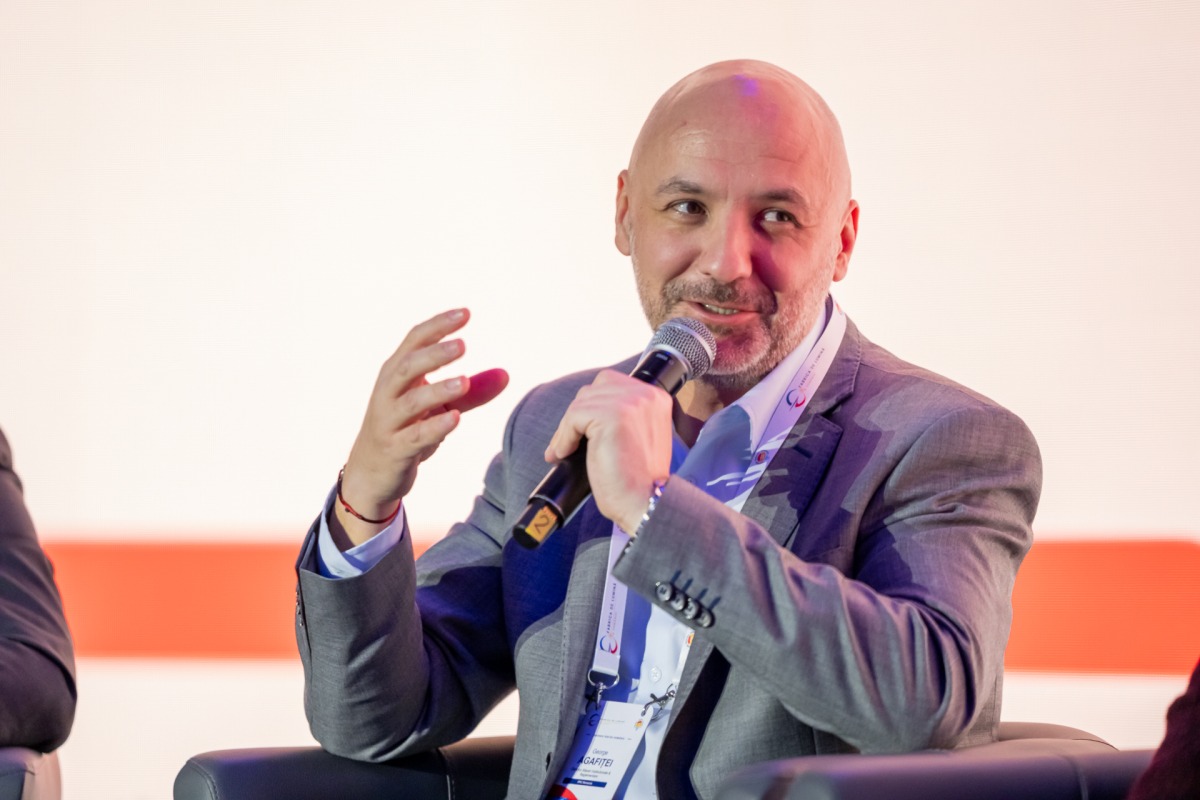
George Agafiței extended the argument to the wider region, highlighting congestion at the interfaces between European electricity markets and the need to develop generation capacity alongside transmission and distribution infrastructure. “I think it is important to understand that we need to build regional resilience, not just local resilience,” the PPC Romania representative said.
Modern grids are a prerequisite for reindustrialisation
For an industrial investor, the availability of electricity grid capacity can be decisive when choosing a factory location. Without grids capable of accommodating additional demand, industrial projects may be delayed or redirected to other regions. “The investment decisions we are making today are for Romania’s economy over the next ten years,” Mihaela Suciu explained. In her view, the results of grid modernisation should be assessed not only in terms of security and continuity of supply, but also by the capacity to support new economic activity.
The discussion also addressed the relationship between infrastructure investment and energy costs. For distribution system operators, financing grid modernisation through tariffs must be balanced against the need to keep costs affordable for consumers. Mihaela Suciu highlighted the role of the Modernisation Fund, which can support substantial investments without passing their full costs on to consumers through distribution tariffs.
George Agafiței emphasised that electricity distribution is a regulated activity, with investment volumes and cost recovery mechanisms determined by the regulatory framework. Infrastructure development therefore requires a long-term perspective and a coherent approach to financing.
Regarding industrial competitiveness, Corina Popescu and George Agafiței cited European examples of support schemes for industrial consumers, including mechanisms that make financial assistance conditional on investments in energy efficiency and on-site generation. Unlike broad-based price compensation measures, such instruments can help reduce production costs and strengthen long-term competitiveness.
Another important element is demand flexibility. George Agafiței stressed the need to digitalise electricity grids so that consumers can use more electricity during periods of abundant generation and low prices. Mechanisms that allow electricity consumption to respond to price signals, known as demand response, can help make better use of renewable generation and reduce pressure on the power system.
The conference “Energy for the future: Energy connectivity, regional cooperation and tomorrow’s skills” was organised by Electrica on 16 November 2026 at the Filaret Power Plant in Bucharest, alongside the signing of the Pact for Education in Energy. Energynomics partnered with Electrica, actively contributing to high-level discussions on investment, infrastructure and the future of the energy sector. Varinia Radu, Founder and CEO of Energynomics, moderated the panel “Firm capacity: Who is building what, and with what funding”, featuring representatives of the EBRD, EIB, the Ministry of Energy and the private sector.