

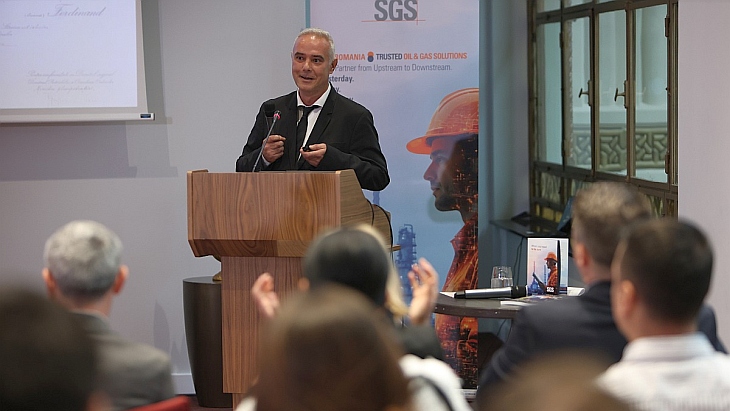
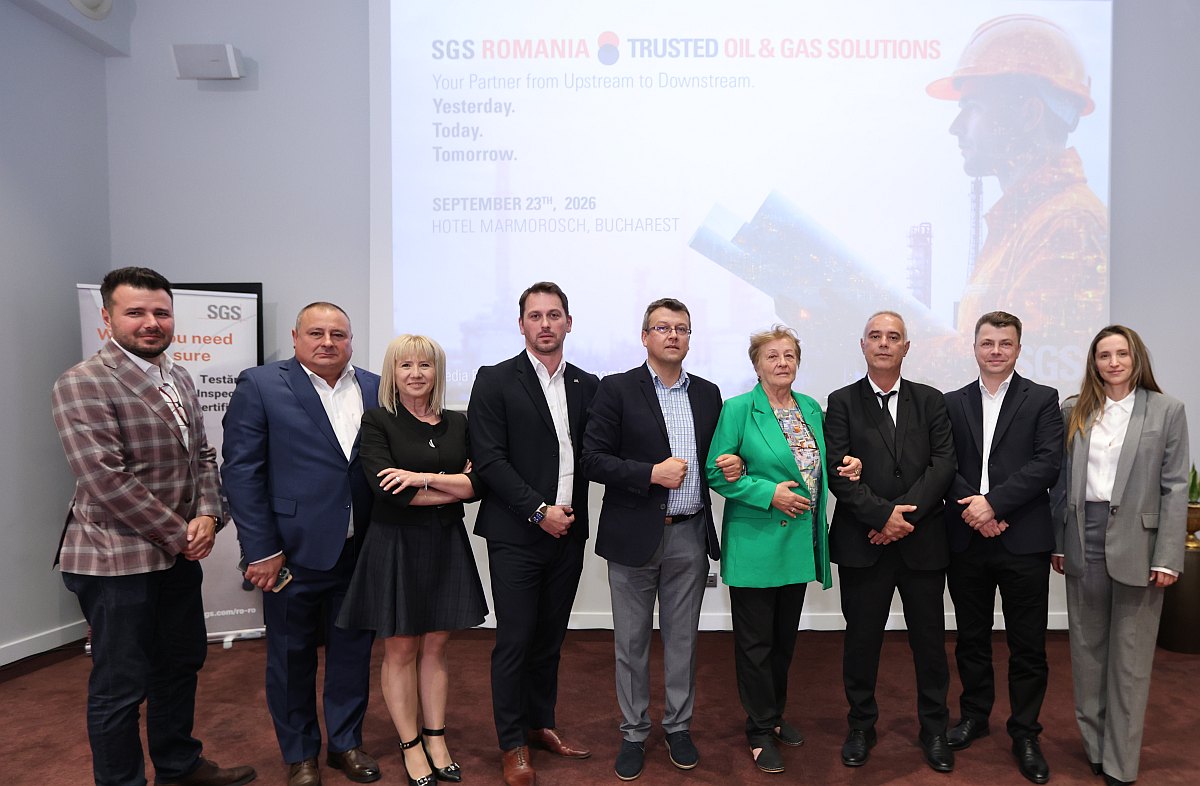
Petroleum product supply chains have become more volatile, biofuels are bringing new analytical requirements, and pressure on project execution timelines is making inspection, laboratory services and safety increasingly difficult to treat separately. These were among the conclusions of the first edition of an event organised by SGS Romania for clients and industry partners.
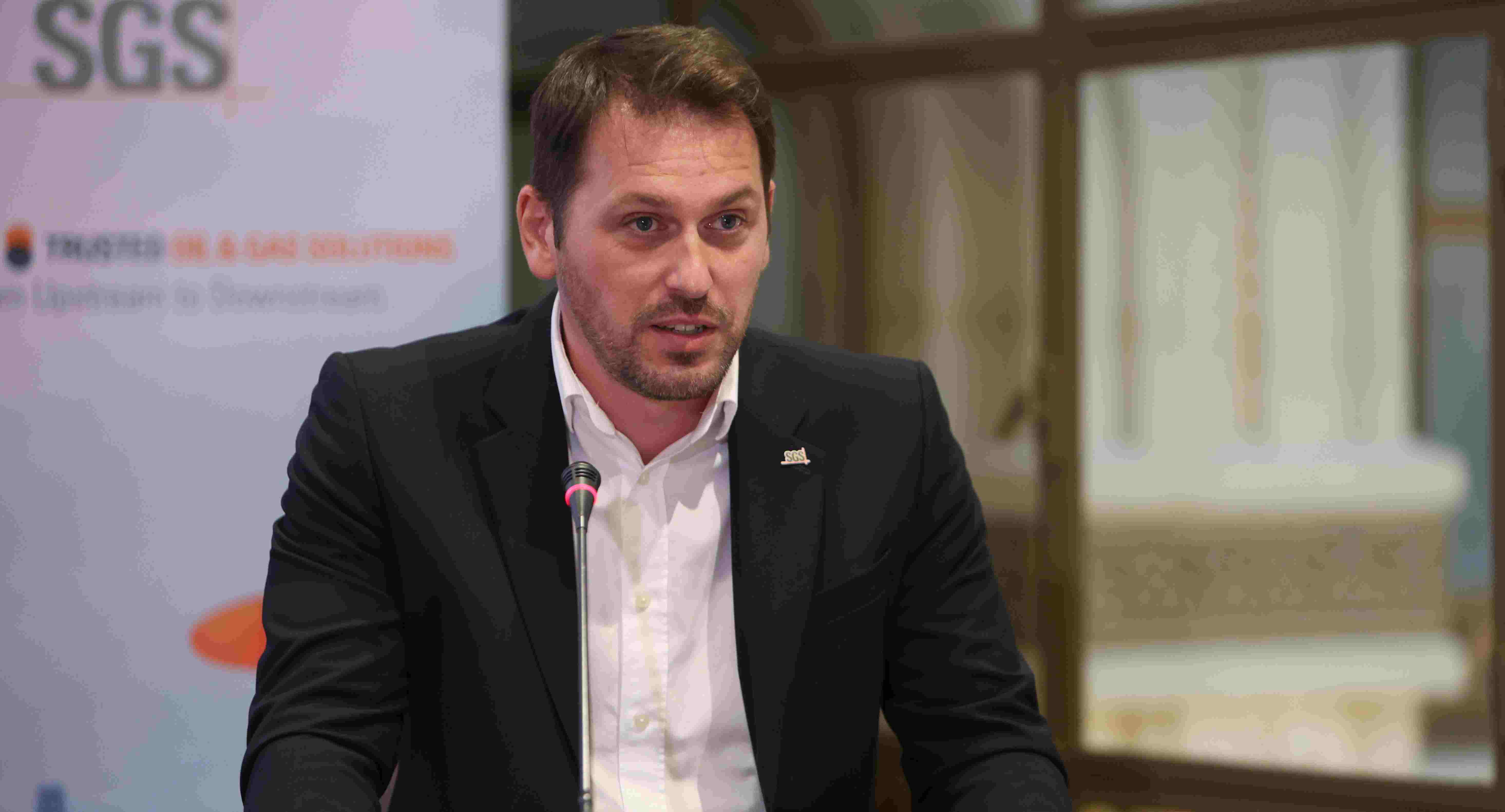
Adrian Cuțitei, General Manager of SGS Romania, opened the meeting by placing the discussion in the context of the company’s development. In 2027, SGS will mark a century under this name in Romania and today has more than 500 employees. “Over time, we have expanded in terms of headcount, types of services and by covering almost the entire range offered by the group,” Cuțitei said.
Supply chains are becoming more volatile
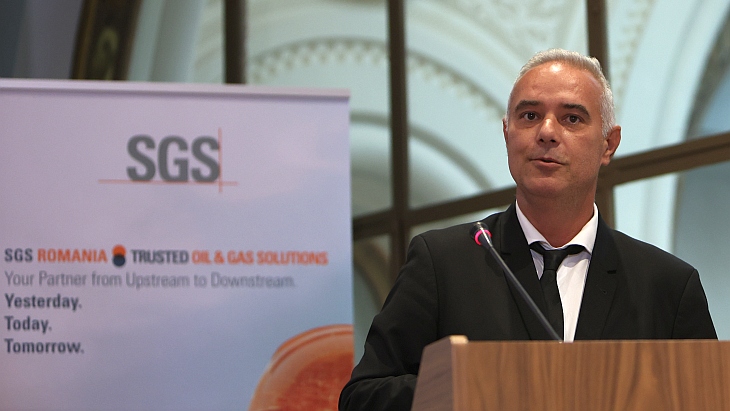
In the oil and gas sector, the most visible change is occurring in commercial flows. Daniel Nedelcu-Damiciuc, Oil & Gas Division Manager, said traditional sources no longer offer the same level of predictability, while clients are looking for alternative markets and routes.
“Over the past year, our clients’ supply chains and volumes have changed significantly,” he said. The impact reaches inspection services directly: SGS must cover new locations and mobilise resources more flexibly. In such a market, quantity and quality remain essential, but Nedelcu-Damiciuc highlighted a third pillar: “Traceability, from my point of view, is now probably the most important.”
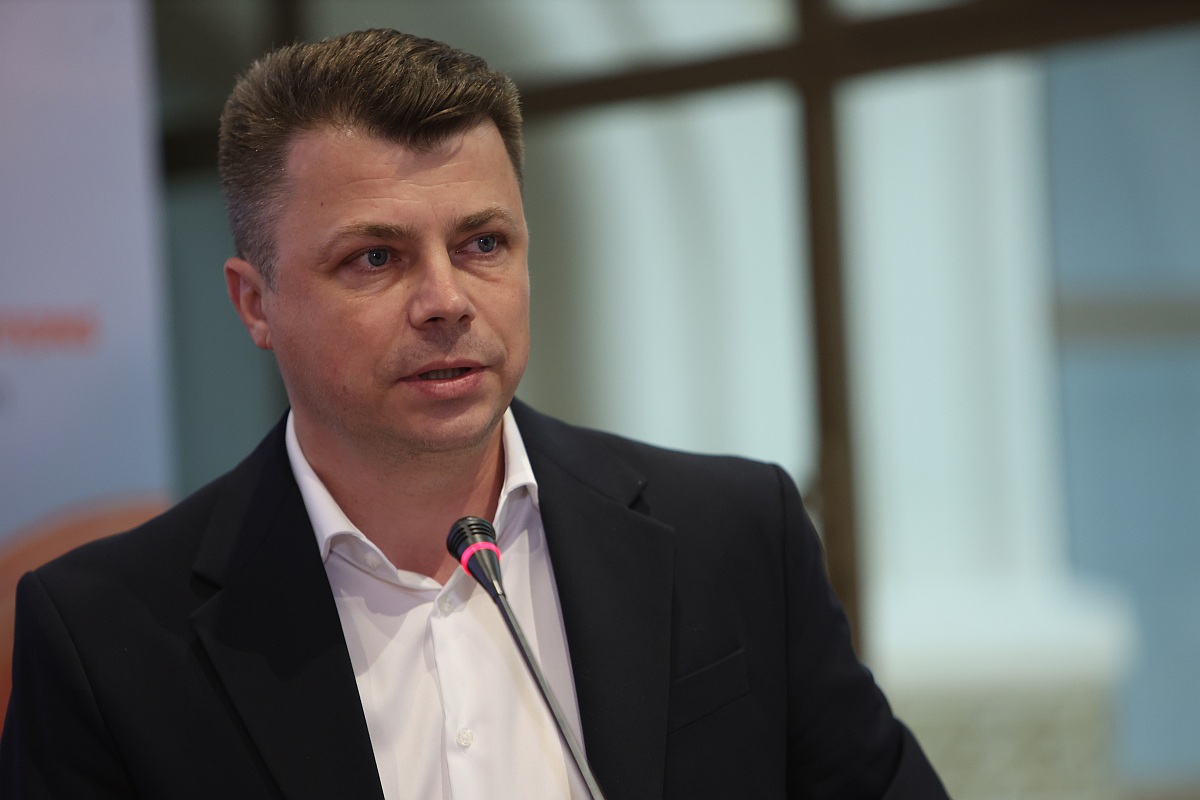
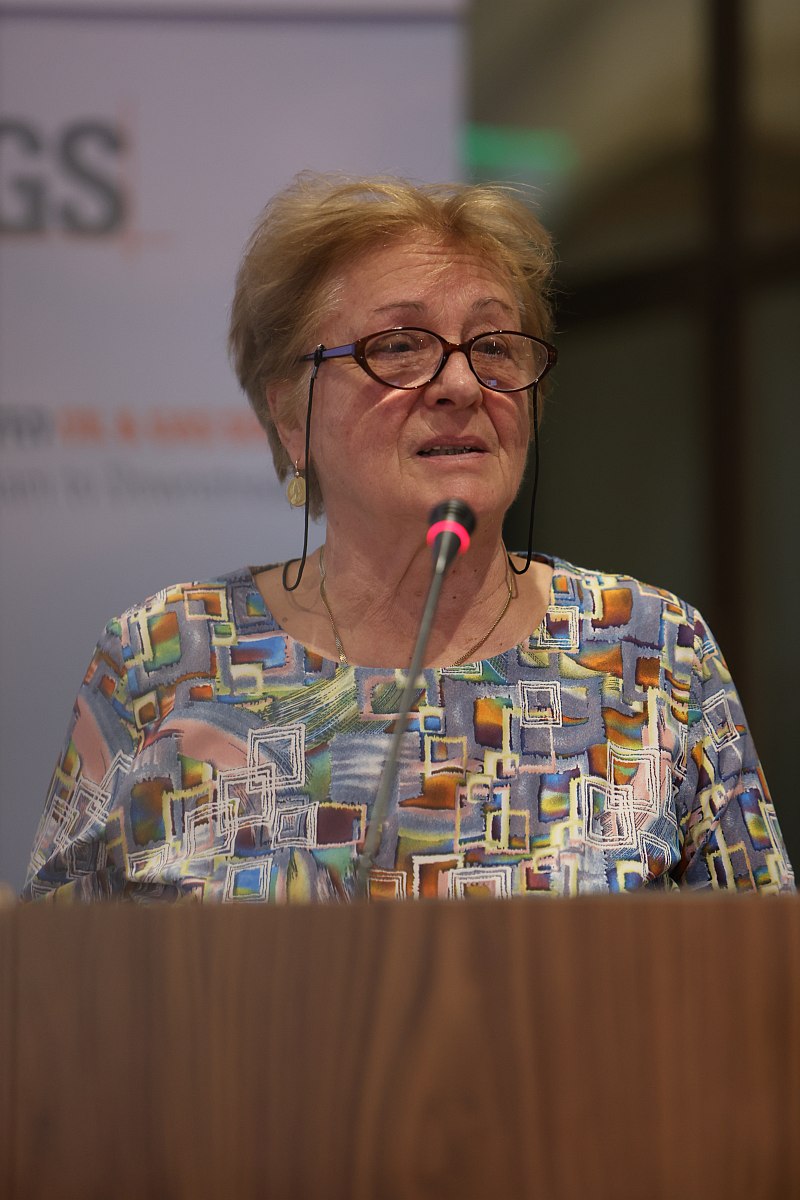
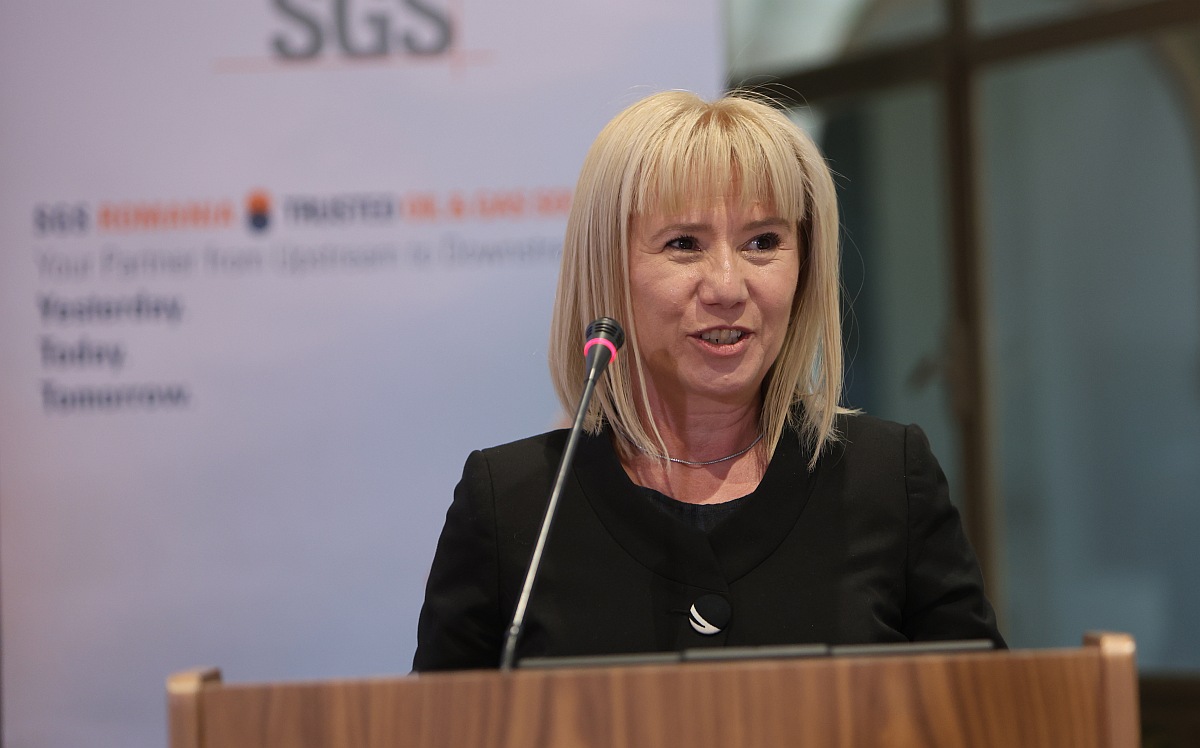
It is not only the route taken by fuels that is changing, but also the products being analysed. Liliana Mihăiță, Laboratory Manager, explained that SGS is already receiving products derived from alternative raw materials or waste, some of which have the potential to become components for petrol or diesel.
As biofuels enter the market, dedicated methods are emerging and laboratories are expanding their analytical portfolios. Automation does not, however, eliminate the need for practical experience. “What matters most is practical laboratory experience and the fact that a newcomer has someone to learn from,” Mihăiță said about training the next generation of specialists.
The terminal concentrates operational risk
Silvia Pătrunjel, Special Services Manager at SGS Romania, shifted the discussion from individual services to the oil terminal as a system. Measurement, inspection, laboratory services, logistics, inventories, safety and the data used in commercial decisions all come together here. Integrating these functions can reduce the number of interfaces between suppliers, maintain information continuity from operations through to analysis, and allow potential non-conformities to be identified earlier.
“The real opportunity lies in an integrated approach to the client’s risks, challenges and operational needs,” she said. A storage tank is simultaneously infrastructure, product, inventory, capital and risk exposure.
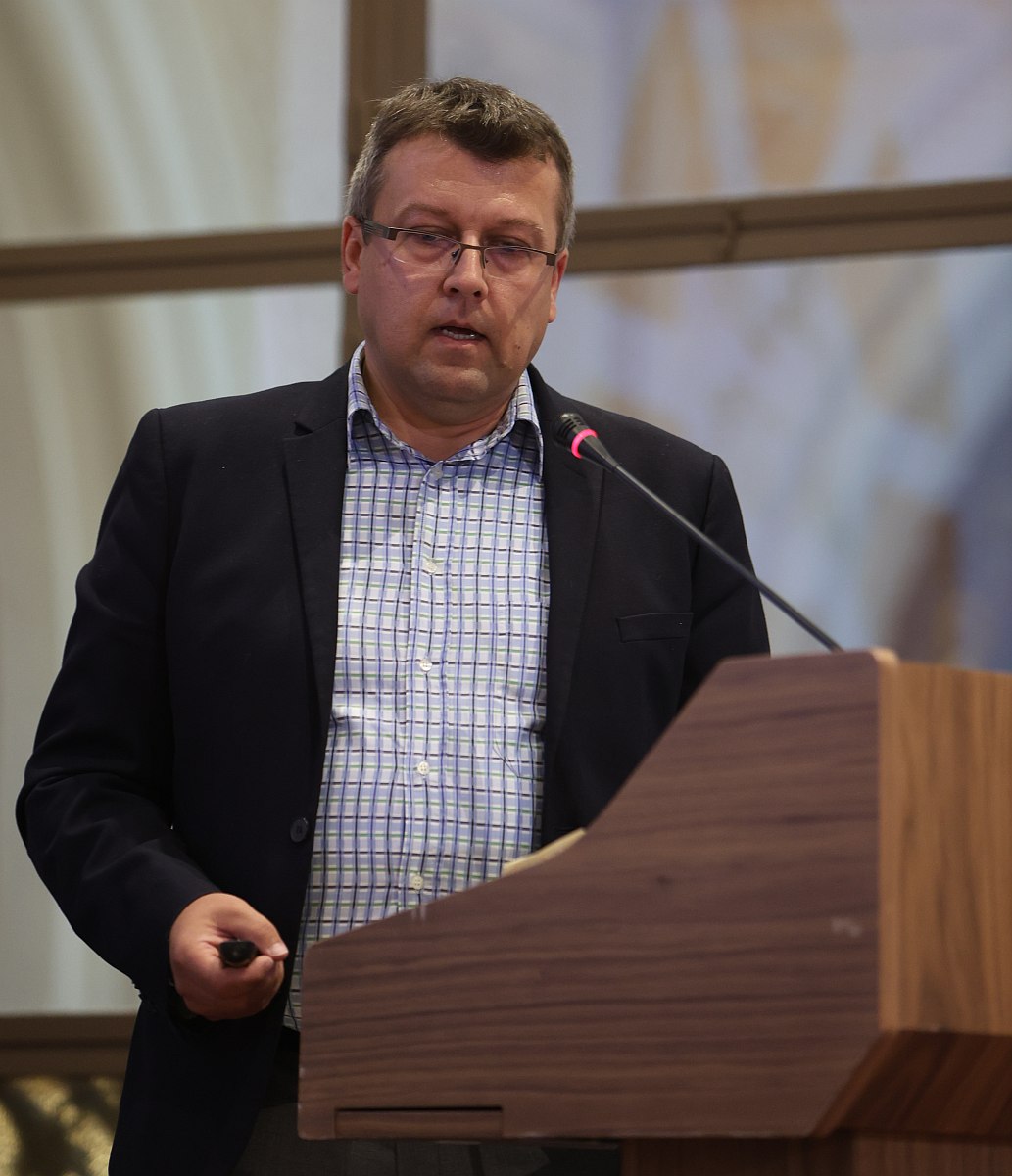
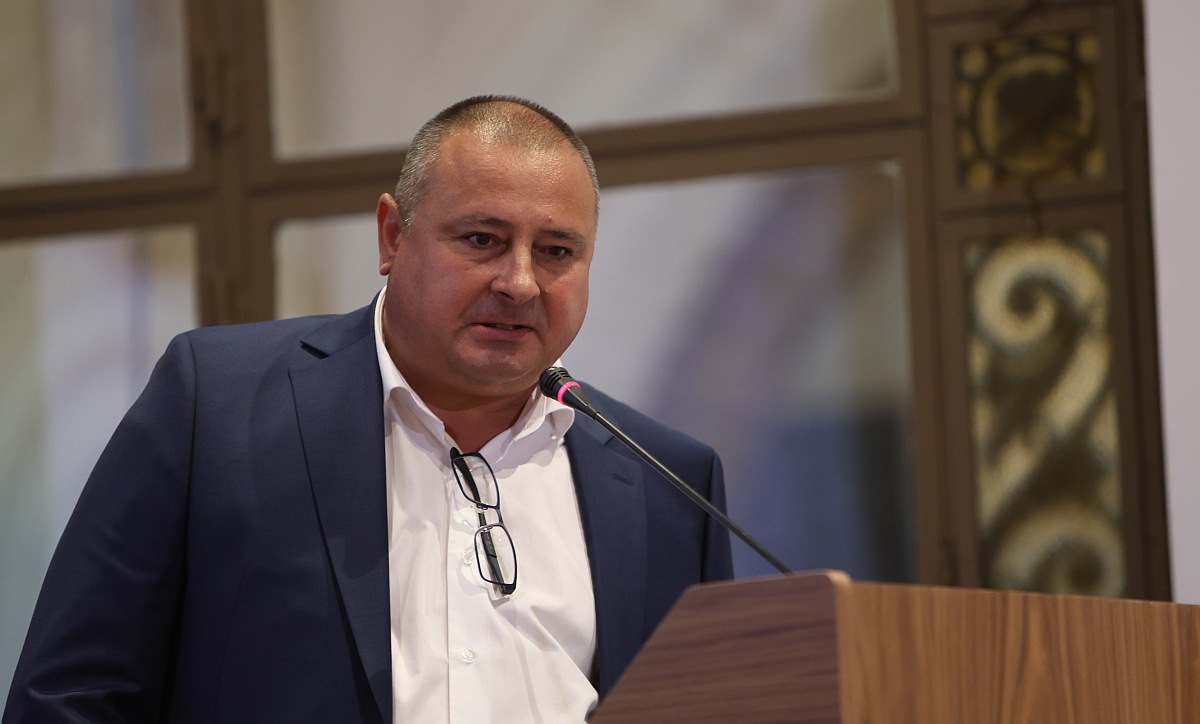
For his part, Iulian Rusu, Environmental Services Coordinator, applied the same logic to environmental investigations and waste characterisation. In the energy sector, the discussion also touched on future waste from photovoltaic panels, which will need to be classified and, where necessary, tested. Vasile Brădoaia, HSE Coordinator, linked prevention directly to project execution and compliance with investment schedules. HSE coordination connects the beneficiary, designer, contractor, subcontractors and suppliers, including for planning project stages, managing simultaneous activities and adapting measures when changes occur during the project. Based on his experience, around 80% of the projects he has coordinated have been in oil & gas and refining, while activity in this area is currently increasing. For the beneficiary, the issue is not only compliance, but also “protecting the investment, controlling risks and meeting deadlines”. Brădoaia stressed that an incident or a change in technical solution can halt works and directly affect the execution schedule.
Tudor Suciu, Business Manager Health and Nutrition and Connectivity Products, closed the evening with a perspective from outside the energy sector, showing how much laboratory methods have advanced. He presented NGS technology, which enables the simultaneous identification of DNA species within a product, including for verifying authenticity against the information stated on the label. “If the label says one thing, we can investigate what is actually inside,” Suciu said.
The SGS Romania event highlighted one central idea: as flows, products and projects become more complex, testing and inspection are moving increasingly closer to operational decision-making and investment protection.