

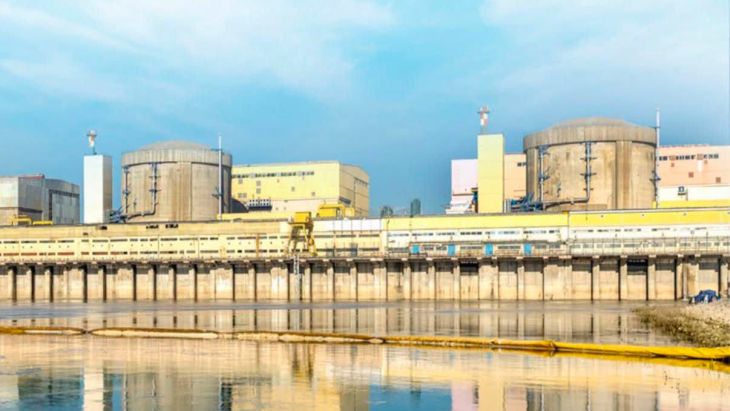
Nuclearelectrica (SNN) reports that Units 1 and 2 of the Cernavoda Nuclear Power Plant (NPP) are being maintained in a safe shutdown state. This situation poses no risk to nuclear safety.
By design, the Cernavoda NPP is equipped with multiple cooling systems engineered to operate at varying cooling water levels. These systems are activated and utilized based on specific technical parameters, ensuring that nuclear safety functions are fully maintained at all times.
Measures implemented by Romanian authorities help maintain the redundancy of the plant’s cooling systems, particularly regarding pump protection. These measures complement the Cernavoda NPP’s own systems and reflect effective cooperation among all involved institutions.
Throughout the period that Units 1 and 2 remain shut down, nuclear safety is ensured through redundant systems, specific procedures, and dedicated teams of specialists. The situation affects only electricity generation.
Given the hydrological forecasts for the coming period, the units will remain in a safe shutdown state until the Danube’s water level allows for a safe resumption of operations. “Nuclear safety is always the absolute priority for a nuclear operator. The Cernavodă power plant is designed to withstand a wide range of scenarios, and nuclear safety functions are consistently maintained, whether the reactors are in operation or shut down. The current situation is challenging from an energy production standpoint, yet it is fully under control regarding nuclear safety, thanks to technology, design, and the expertise of our teams. We are utilizing this controlled shutdown period for maintenance and resilience-enhancing activities until the Danube’s water level allows for the safe restart of the units. In parallel, we have initiated consultations with experts to identify the best medium- and long-term solutions, aiming to minimize the impact of similar situations in the future,” says Mihai Laurențiu Gioară, CEO of SN Nuclearelectrica SA.
SNN will inform shareholders and the public via a new announcement once the units are reconnected to the National Energy System.