

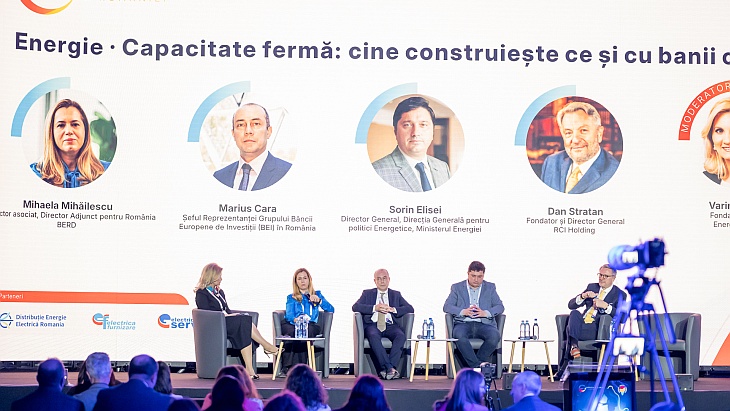
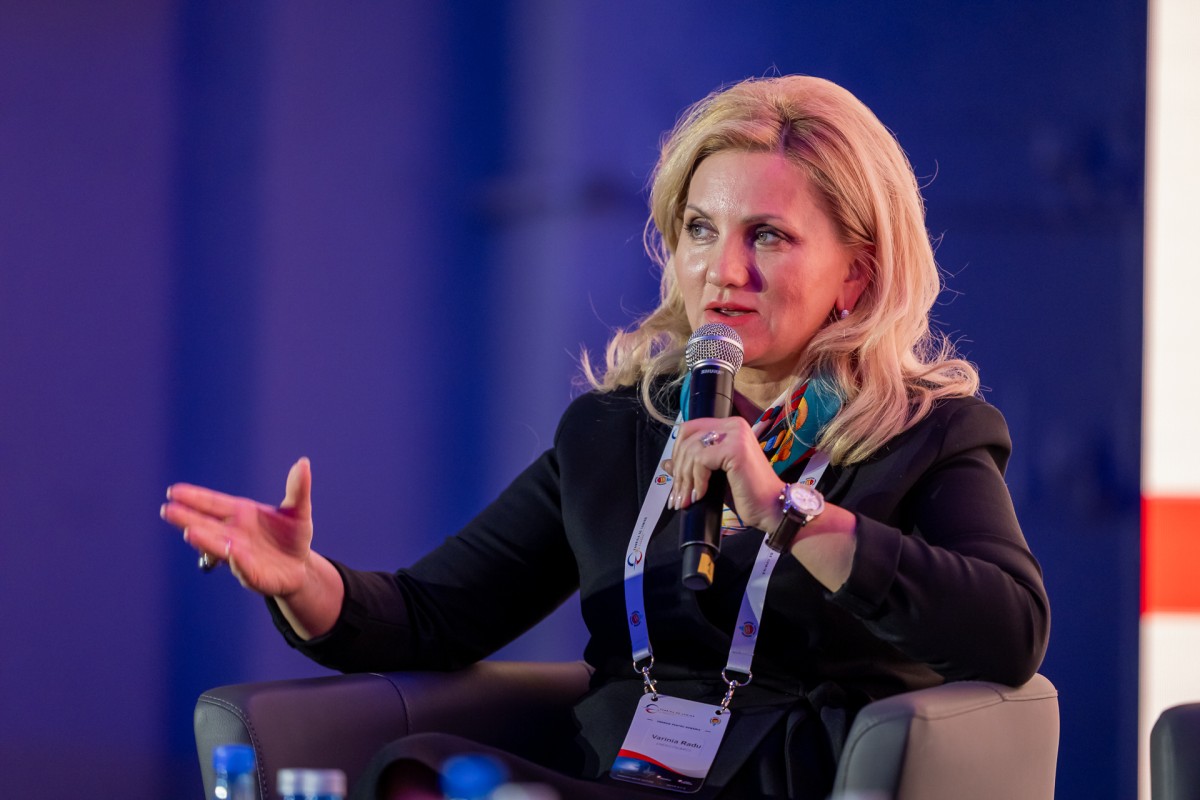
Romania has accelerated investment in power generation, but the next stage depends on financing electricity grids, storage and capacity that can deliver power when demand requires it. Long-term contracts, reducing risks for lenders and developing industrial demand were the main topics of the panel “Firm capacity: who is building what, and with what funding”, moderated by Varinia Radu, founder and CEO of Energynomics.
The discussion took place on 16 November 2026 at the Filaret Plant in Bucharest, during the conference “Energy for the future: energy connectivity, regional cooperation and the skills of tomorrow”, organised by Electrica. The event also marked the signing of the Energy Education Pact, under the High Patronage of the Government of Romania.
More generation, but how much capacity is actually available?
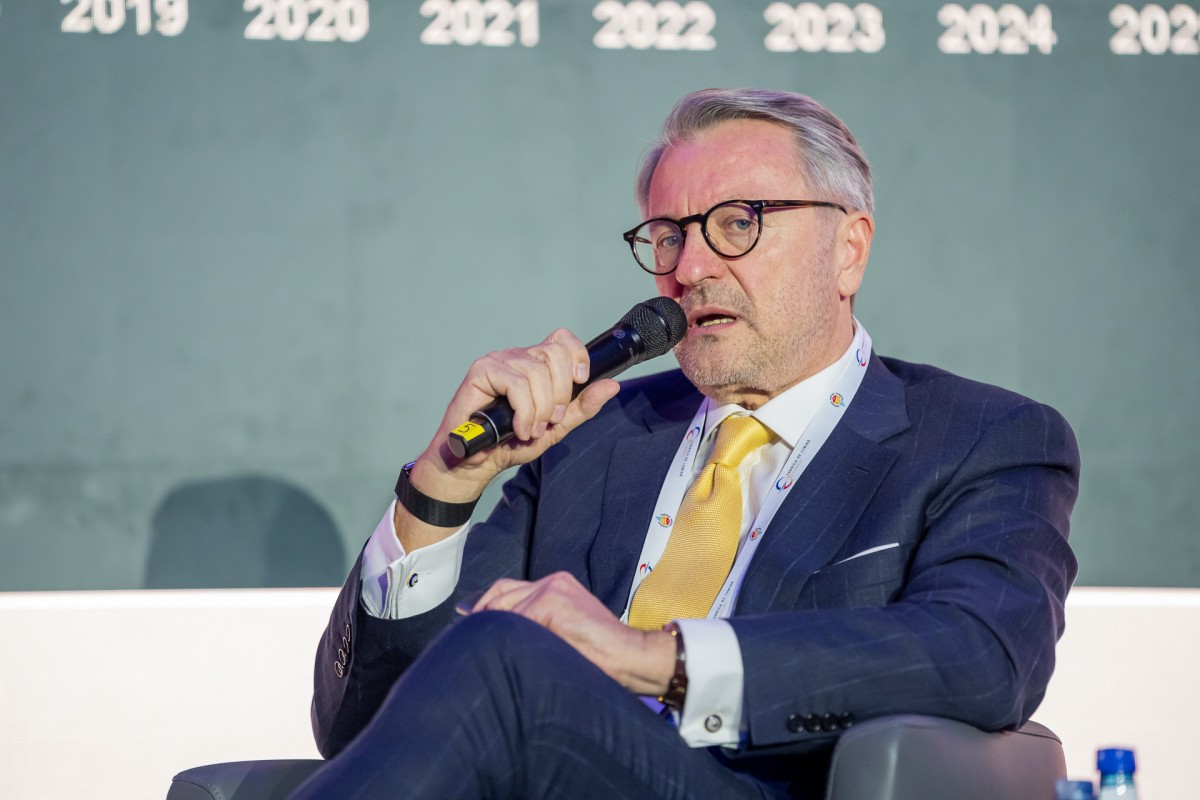
Varinia Radu opened the discussion by highlighting the rapid growth in renewable energy capacity and questioning whether the power system could integrate the additional generation. Dan Stratan, CEO of RCI Holding, drew attention to the difference between installed capacity and capacity that is actually available, as well as the costs associated with delaying investment in transmission and distribution. “The fundamental question for me is not necessarily how much it costs to invest, but how much it costs to wait for these measures to be taken and coordinated.”
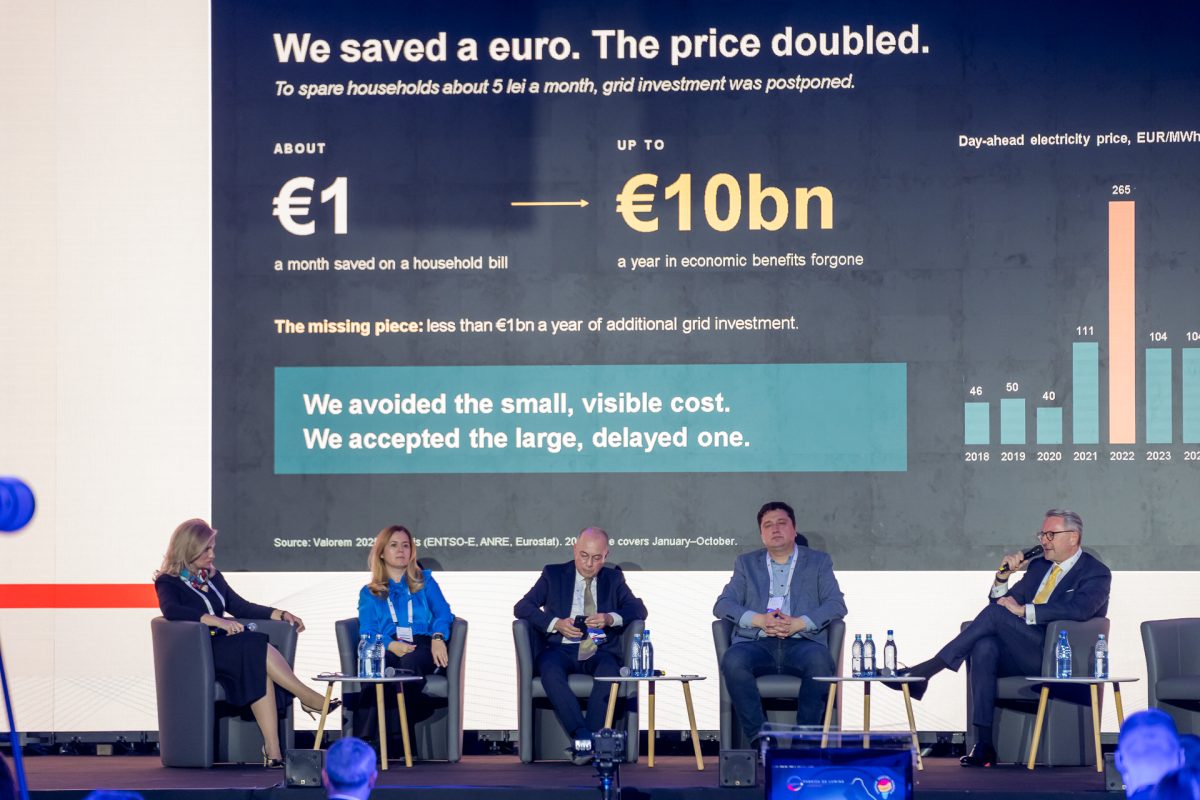
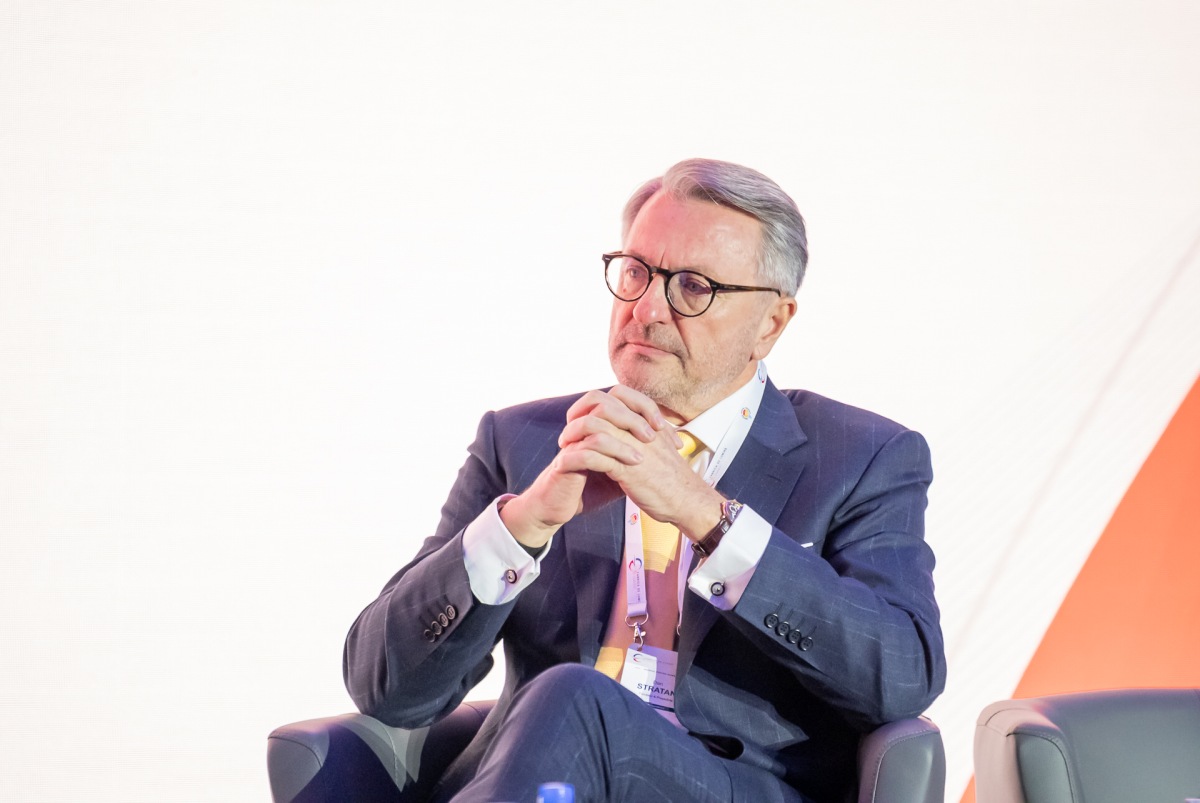
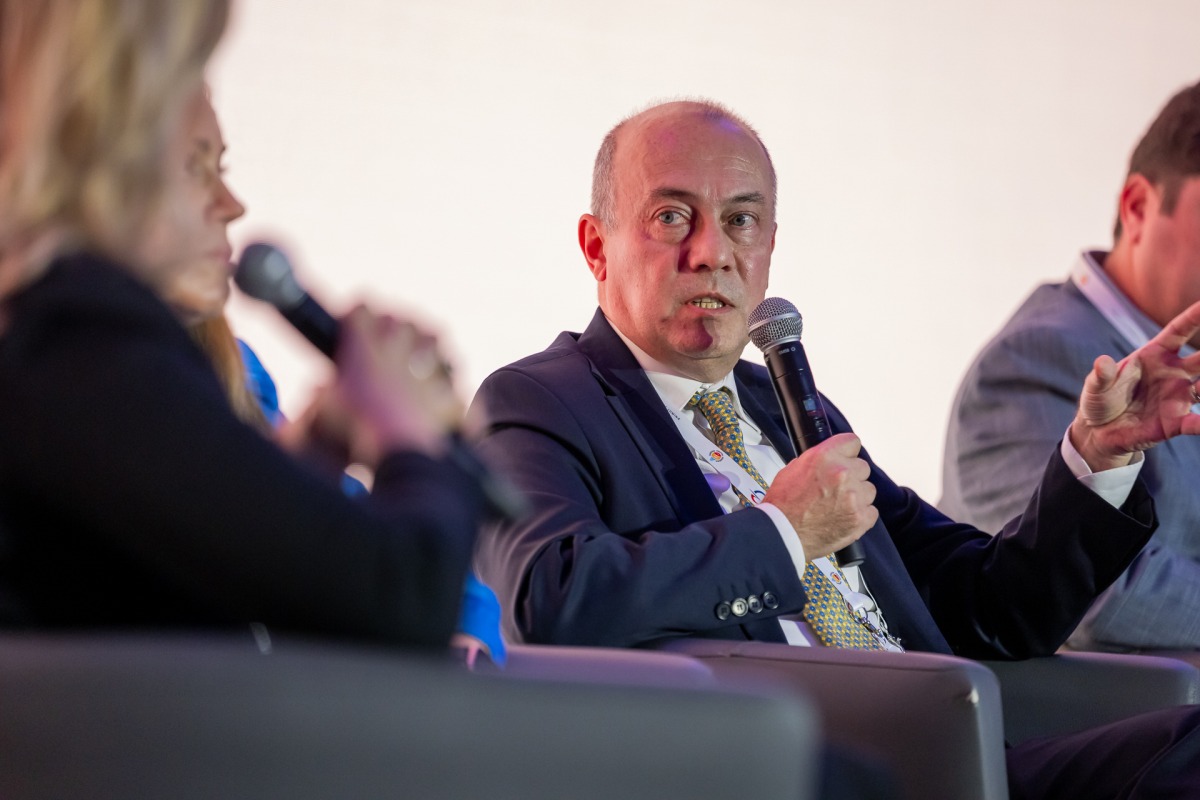
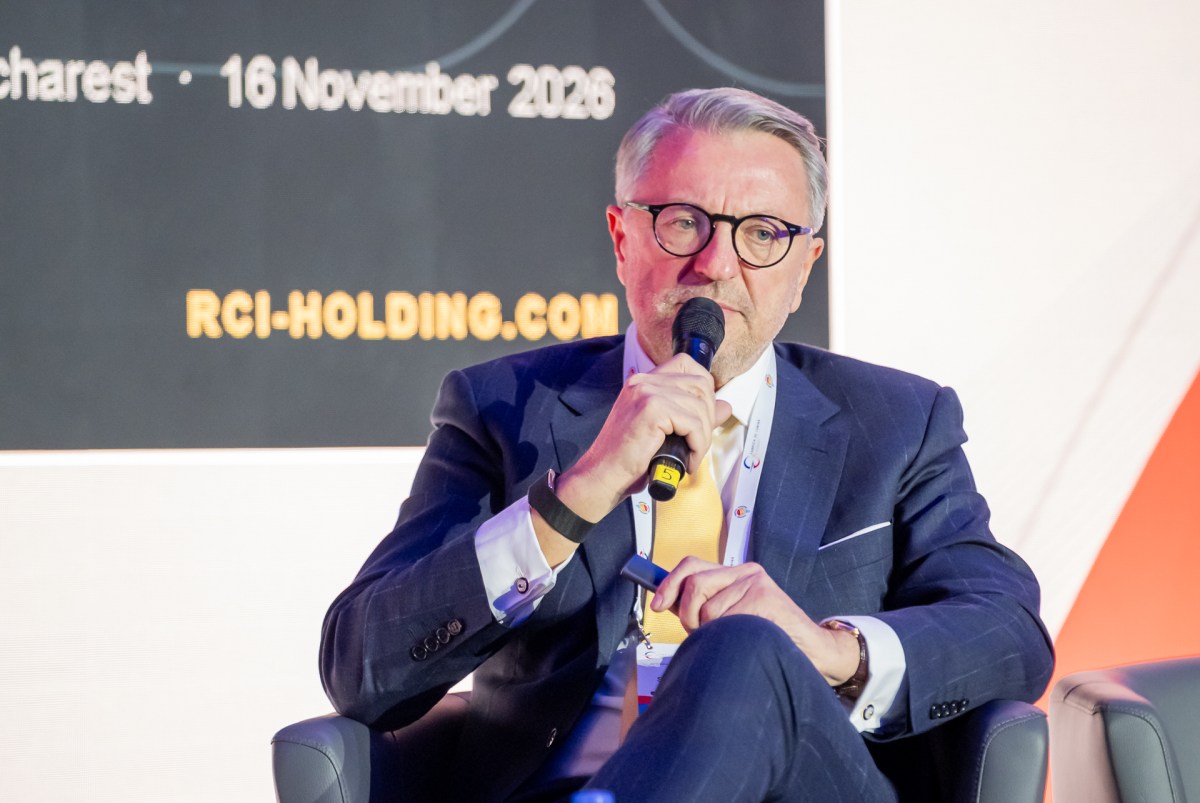
Stratan called for coordinated development of grids, generation, storage and flexibility. From the Ministry of Energy’s perspective, pumped-storage hydropower and nuclear power are strategic investments that require appropriate support mechanisms. The expansion of renewables does not eliminate the need for firm capacity and infrastructure capable of meeting peak demand.
Who provides the financing, and how are risks shared?
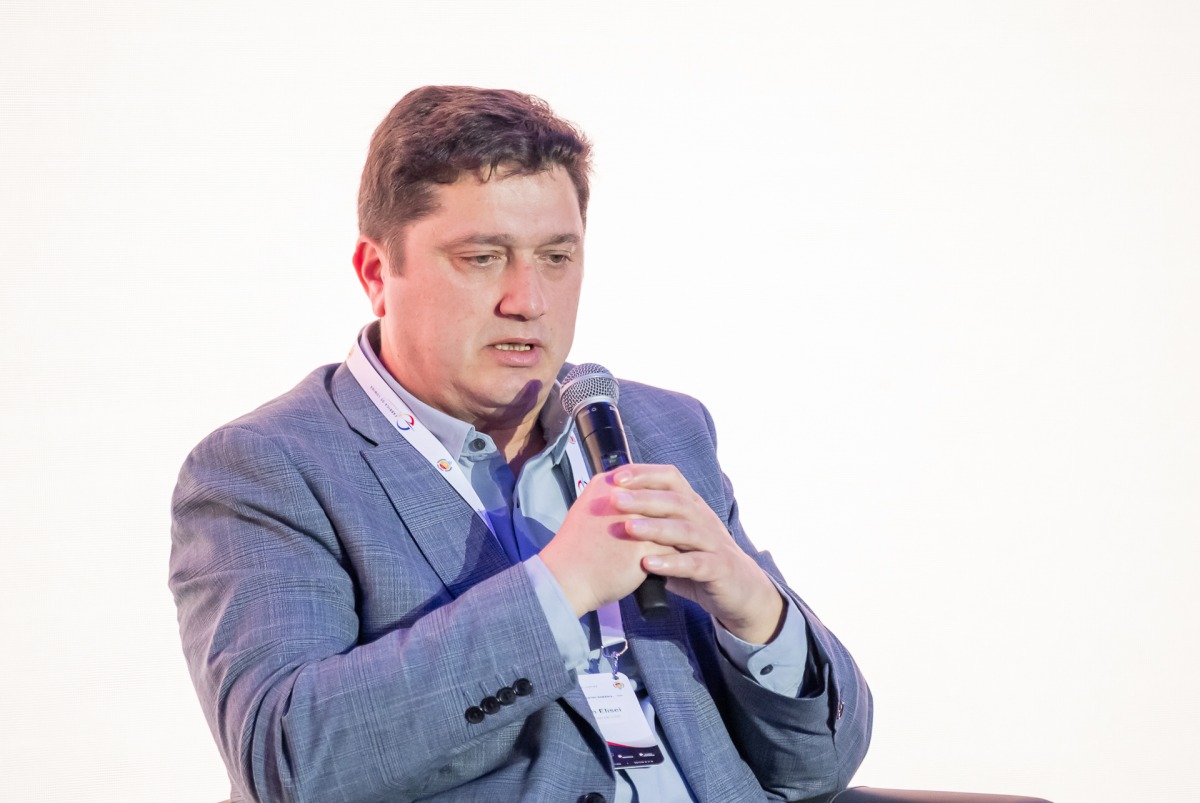
Sorin Elisei, Secretary General of the Ministry of Energy, explained that the Modernisation Fund continues to support renewable energy and energy efficiency, although eligibility is restricted by European rules. Despite the efforts made, it has not been possible to finance nuclear energy projects through these sources. For the 2028-2034 Multiannual Financial Framework, the ministry advocates allocating a greater share of resources to the infrastructure needed to integrate new generation capacity. The official also noted that interest in storage remains high: approximately 440 funding applications were submitted under the new call for stand-alone storage projects.
Elisei distinguished between commercial projects, where investment should be encouraged by market signals, and strategic projects, which may require grant funding. The ministry is seeking solutions for pumped-storage hydropower projects and is participating in a joint initiative by several Member States to make nuclear energy eligible for support under the Modernisation Fund. The outcome of the initiative remains uncertain.
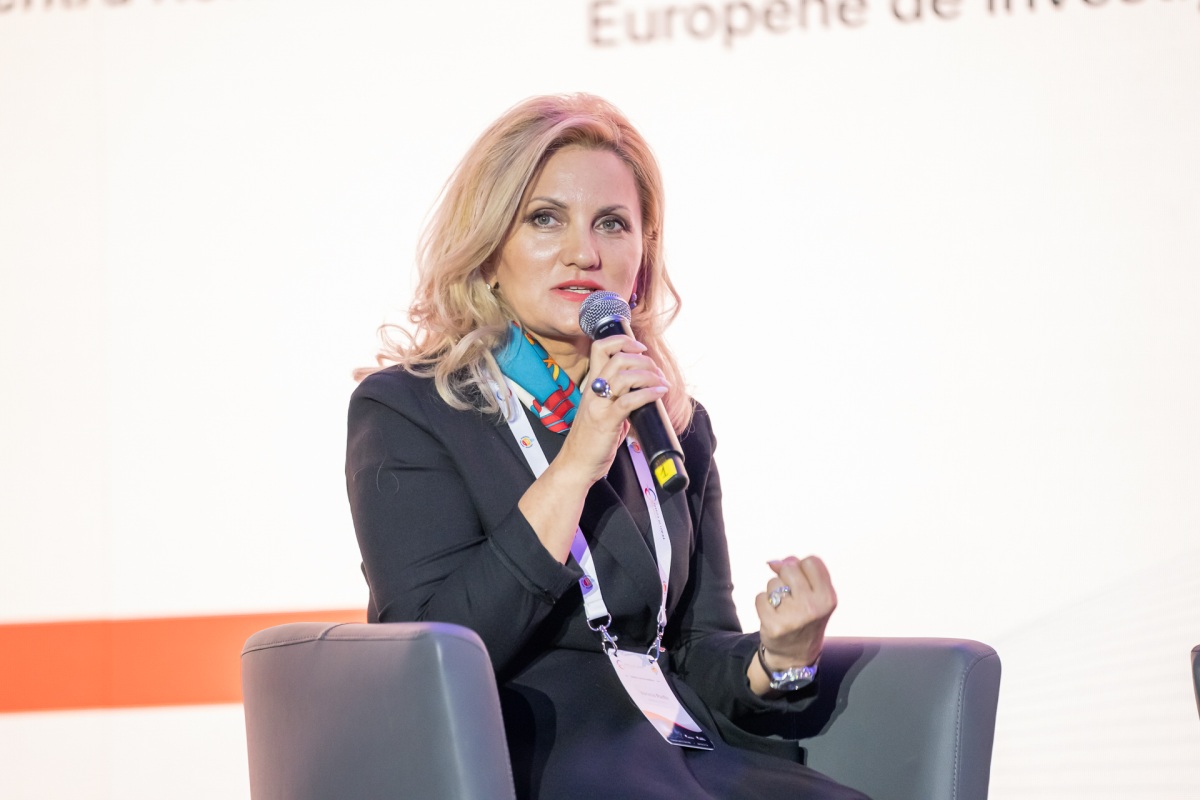
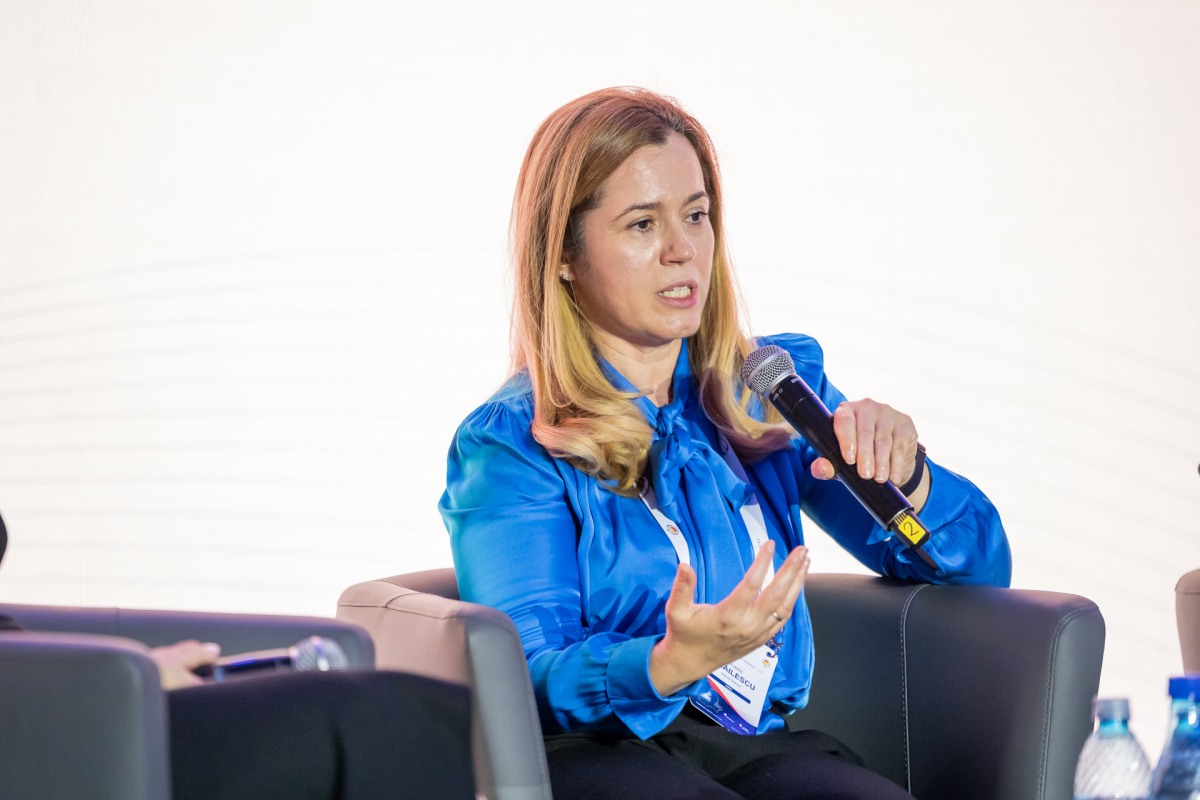
Mihaela Mihăilescu, Deputy Head for Romania at the European Bank for Reconstruction and Development (EBRD), explained how institutional financing helps the market mature. Initially, the bank assumed risks and structured transactions for which commercial lenders had few precedents. Today, projects are easier to assess, and commercial banks in Romania and abroad are increasingly able to provide financing.
“We have mobilised up to one billion euros in private bank financing,” the EBRD representative said. The institution has supported renewable energy development and is looking to finance storage and grid modernisation. Its objective is not merely to provide loans for individual projects, but to demonstrate that certain investment structures are bankable and attract private lenders.
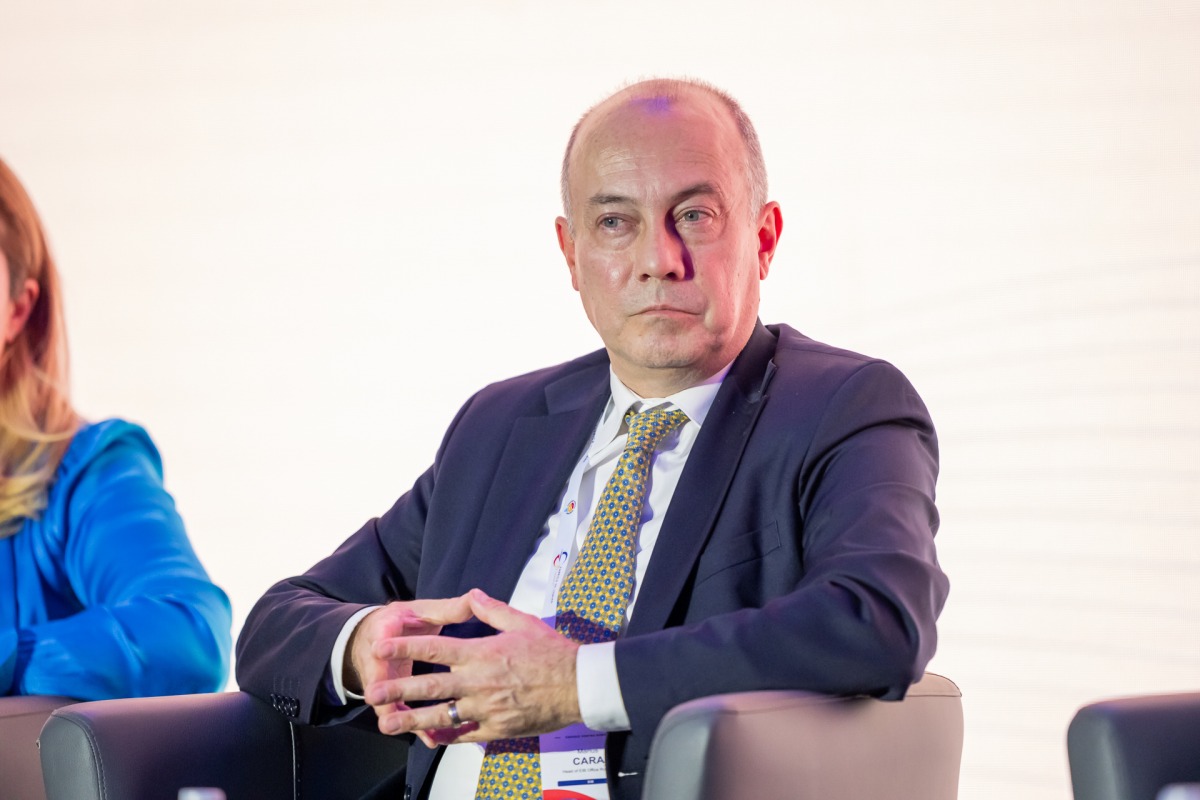
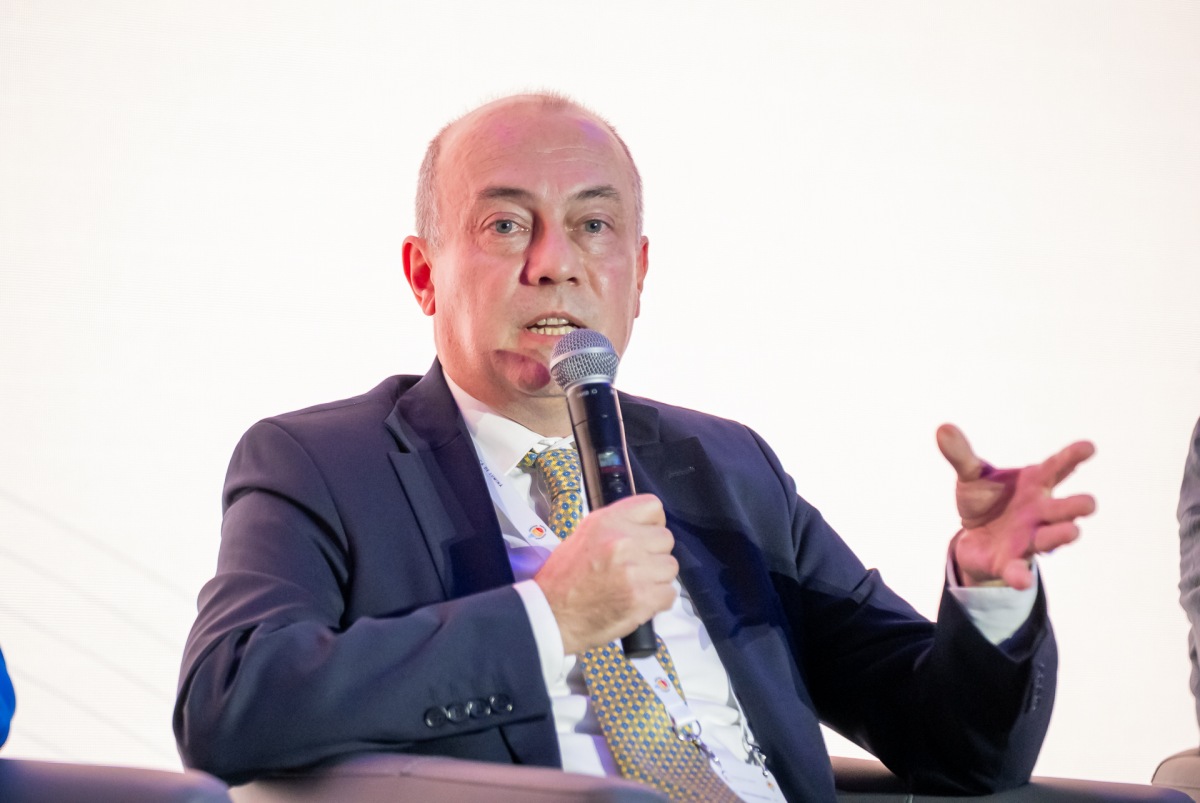
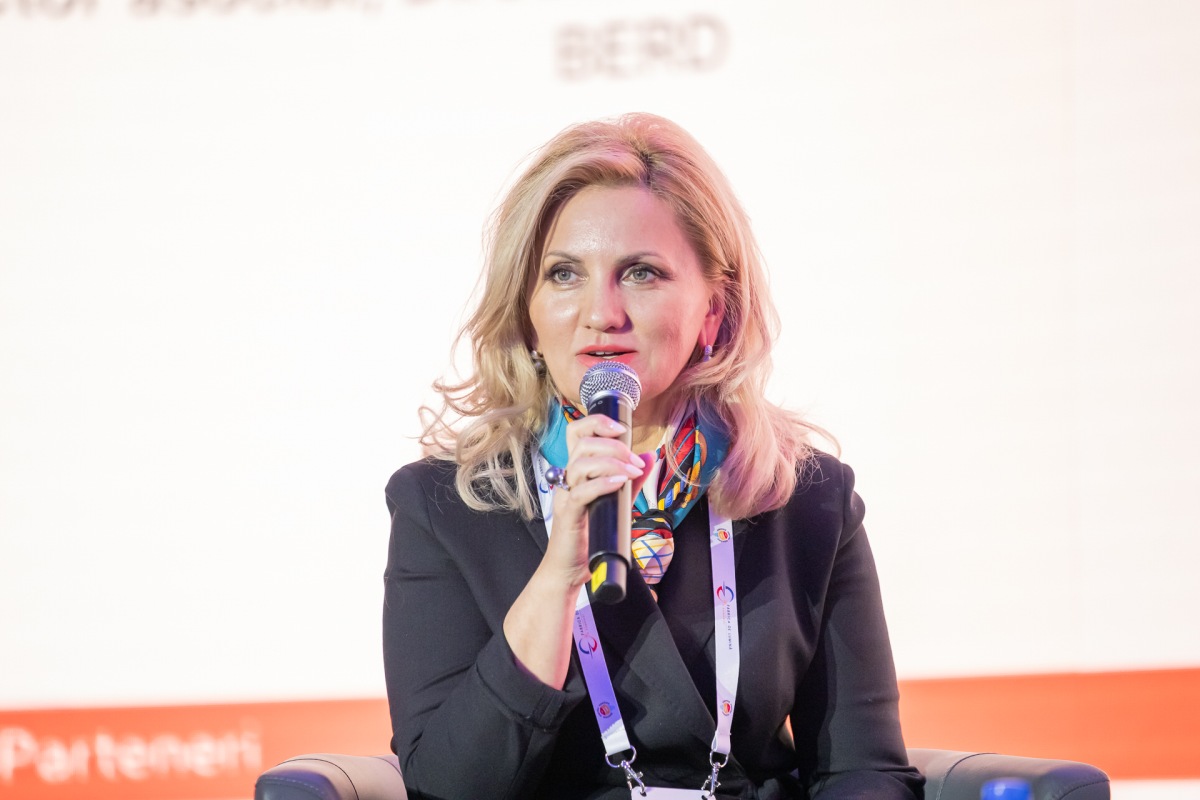
Marius Cara, Head of the European Investment Bank (EIB) Representation in Romania, also emphasised the importance of predictable revenues: for renewable energy projects, “the main risk factor is the revenue forecast”. He cited a large photovoltaic project in Teleorman, where two 15-year power purchase agreements played an important role in securing financing. For banks, long-term contracted revenues can fundamentally change the risk profile of an investment.
The EIB also aims to mobilise other lenders through its participation in projects. Cara highlighted the role of technical assessments, expertise gained from similar investments in other countries, and assistance with project preparation, governance and implementation. He spoke about “building capacity that remains with the project promoter”, beyond the financing itself, and recalled the bank’s longstanding cooperation with Electrica.
The contributions from the two banks point to a shift: the availability of funding is no longer the only consideration. The quality of contracts, risk allocation and the ability of projects to attract commercial capital without permanent dependence on grants are becoming equally important.
Industrial demand, prices and evidence-based policymaking
For Sorin Elisei, financing new capacity must be aligned with the development of demand. The ministry is considering providing resources to a counter-guarantee fund that would facilitate bilateral power purchase agreements lasting 5, 7, 10 or 15 years. The instrument could help industrial consumers become acceptable counterparties for developers and generators, supporting both investment and the retention of industrial activity in Romania. The mechanism is still being developed.
Dan Stratan linked energy costs to competitiveness and proposed an energy pact built around four priorities: investment in grids, a generation mix incorporating storage and flexibility, demand development, and functioning markets with liquidity and bilateral contracts. In his view, the cost of delaying investment is inevitably borne by consumers, taxpayers or investors. He also announced a competitiveness study prepared in cooperation with the Jacques Delors Institute, to be presented on 24 November.
Varinia Radu raised the issue of regulatory frameworks that would enable grid operators to increase investment, including in digitalisation and cybersecurity, as well as the harmonisation of licensing, transmission and contracting rules across regional markets.
Elisei, however, argued that the main obstacle to regional projects remains firm demand: “I think the problem is still offtake.” Infrastructure must be supported by consumers willing to make long-term commitments. The official also called for a more rigorous assessment of how investments affect prices and tariffs, as well as “a centre for impact analysis based on figures and data” to provide a stronger foundation for energy policymaking.
The conference “Energy for the future: energy connectivity, regional cooperation and the skills of tomorrow” was organised by Electrica on 16 November 2026 at the Filaret Plant in Bucharest, alongside the signing of the Energy Education Pact. Energynomics supported Electrica and actively contributed to high-level discussions on investment, infrastructure and the future of the energy sector. Gabriel Avăcăriței, Editor-in-Chief of Energynomics, moderated a discussion featuring Ștefăniță Munteanu, CEO of Transelectrica, Corina Popescu, Chair of the Board of Directors of Moldelectrica, Mihaela Suciu, CEO of DEER, and George Agafiței, Director of Regulation and International Affairs at PPC Romania.