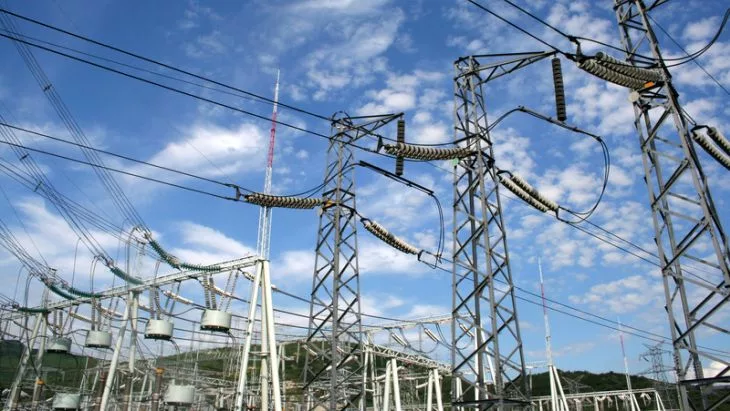
Transelectrica announces that it can handle a controlled shutdown of Reactor 2, and the National Energy Dispatcher manages the developments in the system in real time to maintain the security of the electricity supply. Nuclearelectrica announced that, similar to the shutdown of Unit 1, Unit 2 will be shut down in a controlled manner due to the extremely low, unprecedented level of the Danube, but later went back on the statement and mentioned that U2 will not be shut down.
“Currently, the National Power System is operating within operational safety parameters, according to the estimates of the National Power Dispatcher for the next few days, in the context of the withdrawal from operation of Unit 1 of the Cernavodă Nuclear Power Plant, due to the reduced flow of the Danube. Following the technical assessment this morning, specialists have decided to maintain the second unit of the Cernavodă Nuclear Power Plant in operation for the time being. The situation is being constantly evaluated, so that, depending on the evolution of the situation, Unit 2 may be shut down if technical conditions require it,” Transelectrica officials say.
The company permanently monitors the evolution of the National Power System (SEN) and manages its operation in real time through the National Power Dispatcher, in cooperation with all entities in the energy sector involved and with the Transmission and System Operators in the region. The National Energy Dispatcher specialists are analyzing the evolution of consumption, production and energy flows to maintain the balance between production and consumption, being prepared to operate the SEN safely even in the scenario of the withdrawal from operation of both nuclear production units.
“In these stressful conditions, the balancing of the SEN is achieved by using all available resources, including through cross-border electricity trade, within the limits of the technical capacities of the network and the regional market. The National Electricity Transmission Network currently has a cross-border exchange capacity of approximately 4,000 MW import/export.
“Given the weather forecasts that show the continuation of the drought and the installation of a new episode of very high temperatures in the coming period, an increase in the level of demand on the SEN is estimated, especially during maximum consumption intervals (peak consumption, especially in the evening). In this context, the National Energy Dispatcher will continue to adapt operating measures in real time, so that the operation of the SEN can be ensured under safety parameters. At the same time, it must be taken into account that these drought and heatwave conditions affect most European countries, exerting additional pressure on the power systems and the regional energy market.”
About Schneider Electric
Schneider Electric creates impact by maximising the value of energy and resources, connecting progress with sustainability. We are a global leader in electrification, automation and digitalization, providing AI-driven IoT solutions for smart industries, infrastructure, data centres and buildings.
With 150,000 employees in over 100 countries we promote diversity and innovation. Schneider Electric România, with 27 years in business and more than 300 employees, runs operations in Armenia and Moldova and provides support in 17 languages for 26 countries through the Bucharest Hub.