

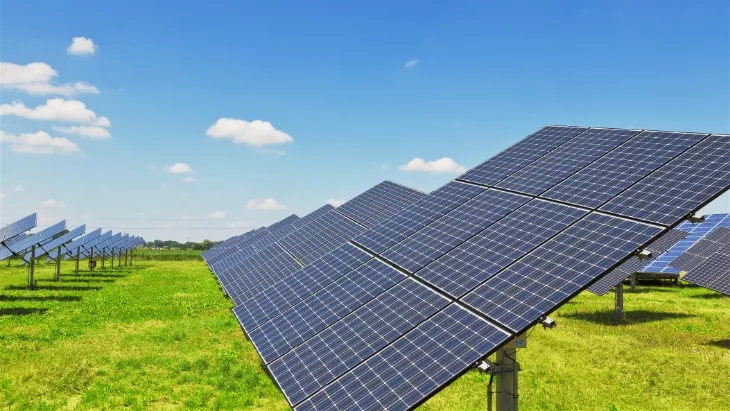
Photovoltaic energy is helping to maintain the balance of Romania’s National Power System during daytime hours, as drought and extreme temperatures reduce the availability of conventional generation sources. According to the Romanian Photovoltaic Industry Association, RPIA, photovoltaic generation covers more than half of electricity demand during daytime periods.
Lower river and Danube flows are limiting hydropower generation, while low water levels and high water temperatures are making it more difficult to cool the nuclear unit. The situation has led to the temporary shutdown of some generation capacity and the declaration of a state of alert for August.
More than 7 GW of photovoltaic capacity connected in less than four years
RPIA considers that the current period can no longer be regarded as an isolated episode, but as an effect of the intensifying climate crisis, with a direct impact on energy infrastructure.
“Photovoltaic energy has already demonstrated that it can take on this role,” said Andrei Manea, executive director of RPIA. “In less than four years, Romania has connected more than 7 GW of new photovoltaic capacity to the grid, through both large-scale projects and installations owned by prosumers. The rapid pace of development, together with the low marginal cost of generation, which helps moderate wholesale market prices, has turned photovoltaic energy into one of the main pillars of energy security and system stability.”
Fully harnessing new renewable energy investments nevertheless depends on the development of storage infrastructure, greater system flexibility and an adapted regulatory framework. “Romania needs infrastructure that allows energy to be used when the system needs it most. Without storage, flexibility and an adapted regulatory framework, we will not be able to fully realise the potential of new renewable energy investments,” Andrei Manea added.
Romania needs more than 10 GWh of storage by 2030
Romania currently has approximately 3 GWh of energy storage systems, including both utility-scale batteries and installations owned by prosumers, according to RPIA. Total capacity was below 1 GWh last year.
According to Transelectrica estimates cited by RPIA, Romania will need more than 10 GWh of storage by 2030 to integrate new renewable energy capacity and maintain the stability of the National Power System.
RPIA is calling for concrete measures to accelerate investment in storage and new generation capacity. The proposals include tax incentives, a temporary reduction in taxation for capacity installed over the next two years, and shortening the approval, permitting and grid connection process to no more than six months.
The association argues that there are no solutions that can be implemented overnight and deliver lasting effects. The current pressure on the system must be managed in parallel with defining and implementing the measures needed to prevent similar situations from recurring. The focus should be on medium- and long-term solutions and their implementation, rather than on identifying those to blame.