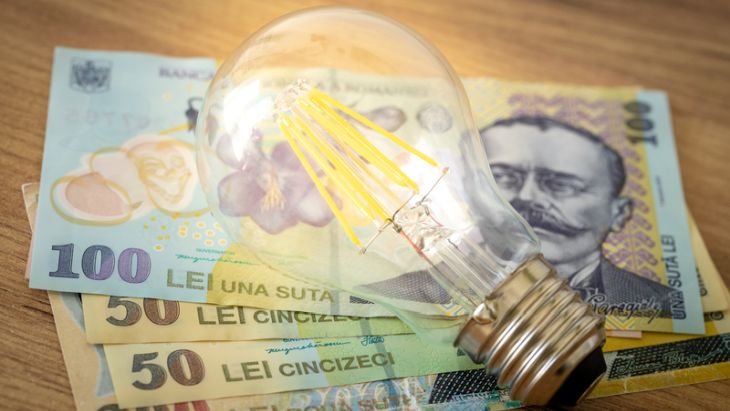
For Romanians, more stable or lower energy prices are the primary benefit expected from the energy transition, according to a new survey conducted for the European Investment Bank (EIB) Group.
Eight out of ten Romanians (80%) state that rising energy prices have significantly reduced their purchasing power over the last 12 months-the highest proportion in the EU-while more than half (55%) report having cut back on spending for food or healthcare, also the highest proportion in the EU. Measures to combat climate change remain a fundamental expectation: 67% of Romanians view the energy transition as a way to slow down climate change.
Nearly half of Romanians (47%) say they have foregone a weekend trip, a vacation, or a visit to family and friends due to rising energy prices-again, the highest proportion in the EU.
At the same time, three out of four Romanians (76%) consider the energy transition an urgent matter for their country (EU average: 75%). When asked what they expect the energy transition to bring-with multiple responses possible-79% point to more stable or lower prices, 75% to reduced dependence on imported oil and gas, and 67% to the slowing of climate change. In every member state, a majority of the population expects the energy transition to slow down climate change-ranging from 58% in Estonia to 87% in Hungary. This is one of the key findings of the eighth EIB Climate Survey, published today by the European Investment Bank (EIB).
Conducted by Ipsos BVA among a sample of 23,000 people across all 27 EU member states, the survey comes at a time when rising energy prices have significantly reduced the purchasing power of eight out of ten Romanians. While a majority of respondents identified all three expected benefits of the energy transition, their ranking has shifted compared to 2022. Four years ago, slowing climate change was the most frequently cited benefit in Romania and 18 other member states; reducing oil and gas imports was the top choice in eight states, while more stable or lower energy prices were not the primary concern in any state. Today, more stable or lower energy prices rank first in Romania and seven other member states, followed by reduced dependency (in 16 states) and climate change mitigation (in three states).
“Romanian households have felt the impact of rising energy prices on their purchasing power more acutely than any others in Europe,” said EIB Vice-President Ioannis Tsakiris.
“Strengthening security of supply and increasing domestic production of clean energy can help ensure more reliable and affordable energy for families in Romania.” When asked what would happen if the EU were to progress too slowly regarding the energy transition, Romanians pointed first and foremost to bills: 80% consider a long-term increase in energy prices and the cost of living to be a risk (EU: 79%), followed by 74% who cite a greater dependence on imported oil and gas. On the positive side, there is a sense of pride: two out of three Romanians (66%) state that they would feel prouder to be European if the EU were to become energy-independent (EU: 62%).
Why prices matter
Rising prices for gas, vehicle fuel, heating oil, or electricity have “significantly” reduced the purchasing power of eight out of ten Romanians (80%) over the last 12 months (EU: 60%)-the highest proportion in the EU. This includes 34% who report a “very significant” impact (EU: 20%)-again, the highest share in the EU.
To cover their expenses amid rising prices, 55% of respondents state that they have cut back on daily spending for food or healthcare (EU: 38%)-the highest proportion in the EU-while 27% have lowered the heating temperature in their homes. For some, rising energy prices have meant much more than just cutting back: 27% report having taken on debt, sought financial assistance, or deferred the payment of an energy bill (EU: 16%)-one of the highest proportions in the EU.
Regarding road travel, seven out of ten Romanians (71%; EU: 60%) state that rising prices have changed how they use their cars-one of the highest proportions in the EU. Specifically, 29% have reduced trips for essential needs, such as grocery shopping, medical appointments, or administrative tasks; 47% have foregone a vacation or a visit to family and friends (EU: 30%)-the highest share in the EU; and 19% now drive at lower speeds to save fuel. while 32% have replaced travel by personal car with car-sharing, public transport, or cycling (EU: 22%)-one of the highest proportions in the EU.
Made in Europe
To facilitate the transition, 79% of Romanians want low-carbon energy to be a priority (EU: 87%). Solar energy ranks first (46%), ahead of wind energy (26%), while natural gas (24%; EU: 10%) accounts for one of the highest shares in the EU.
When asked what the priority approach for the EU’s energy transition should be, 55% of Romanians would prefer to build a competitive European clean-tech industry, even if the process takes longer (EU: 55%); 34% would opt for a faster deployment of clean technologies using imported equipment (EU: 29%). Manufacturing within Europe is the preferred approach across all 27 member states.
A majority of Romanians (54%) would prefer EU countries to pool their resources to finance investments. Across all 27 member states, Europeans favor pooling their resources.