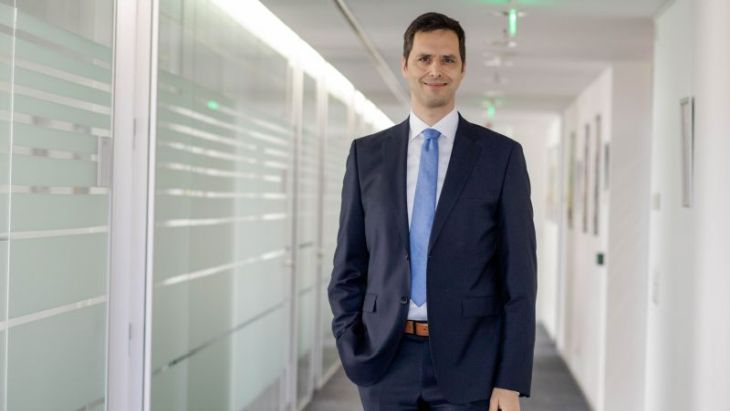
Romania has completed much of the “homework” required for OECD accession; however, certain gaps persist-weighing on both the economy as a whole and the energy sector-argues Volker Raffel, CEO of E.ON Romania and President of the Romanian-German Chamber of Commerce (AHK), in a social media post.
“Accession entails, first and foremost, the implementation of sound policies and practices that serve the interests of citizens and the economy-a point highlighted on Tuesday by Luca Niculescu during a discussion with OECD Secretary-General Mathias Cormann. In the energy sector, the stakes are very concrete. As early as 2024, the OECD recommended that Romania invest in expanding grid capacity and cross-border interconnections. An OECD report highlighted that grid bottlenecks are hindering the development of renewable energy sources and electricity exports, while past underinvestment has created a deficit that will require time and massive resources to overcome. Solutions do exist, however: a regulatory framework that incentivizes additional investment, yielding benefits such as lower energy prices and a more competitive economy,” Raffel asserts.
He notes that a second OECD recommendation concerns the timely settlement of payments in commercial transactions and public procurement-a crucial factor for corporate cash flow. “In our case, this concerns payments related to the energy price-capping scheme, where there are significant, long-standing arrears. These payment delays have created-and continue to create-liquidity issues, forcing companies to take out bank loans to pre-finance the scheme. These are pressing problems rooted in the sector’s day-to-day reality, not in theory. Resolving them could unlock the investments we need, while also supporting economic growth and industrial competitiveness,” states the AHK official.
“Accession to the OECD will not bring about change on its own. It requires joint efforts and decisions based on dialogue and a clear understanding of the realities on the ground; success depends on how effectively we leverage the framework provided by this organization. It is very much in Romania’s interest to join the OECD family as soon as possible, and we, in the industry, are ready to contribute to the success of this process.”